Healthcare2022
Periapt: How I designed an app that supports parents of children with ADHD between appointments, and keeps their care team informed.
Periapt

- Role
- Lead Designer
- Method
- Design Sprint → POC → MVP
- Users
- Parents of children with ADHD · care teams
- Scope
- Sprint · strategy · behaviour change · app design · prototyping
01Problem
Parents manage ADHD every day, without the doctor in the room.
Finding the right ADHD treatment takes time. Parents deal with the day-to-day challenges at home, and the child’s doctor or care team needs that information to adjust treatment.
One problem, three people
- 01
The child
Living with ADHD symptoms day to day, and with a treatment that has to be found and adjusted.
- 02
The parent
Facing the day-to-day challenges alone, between appointments.
- 03
The care team
Needing as much information as possible about the child and their response to treatment.
The goal
Maximise positive outcomes and treatment adherence by implementing behavioural change techniques.
02My role
I led the design from the first sprint to the MVP.
As Lead Designer I ran the Design Sprint, shaped the proof-of-concept pilot and designed the MVP app, working with Periapt’s team and a coaching team that supported parents in the pilot.
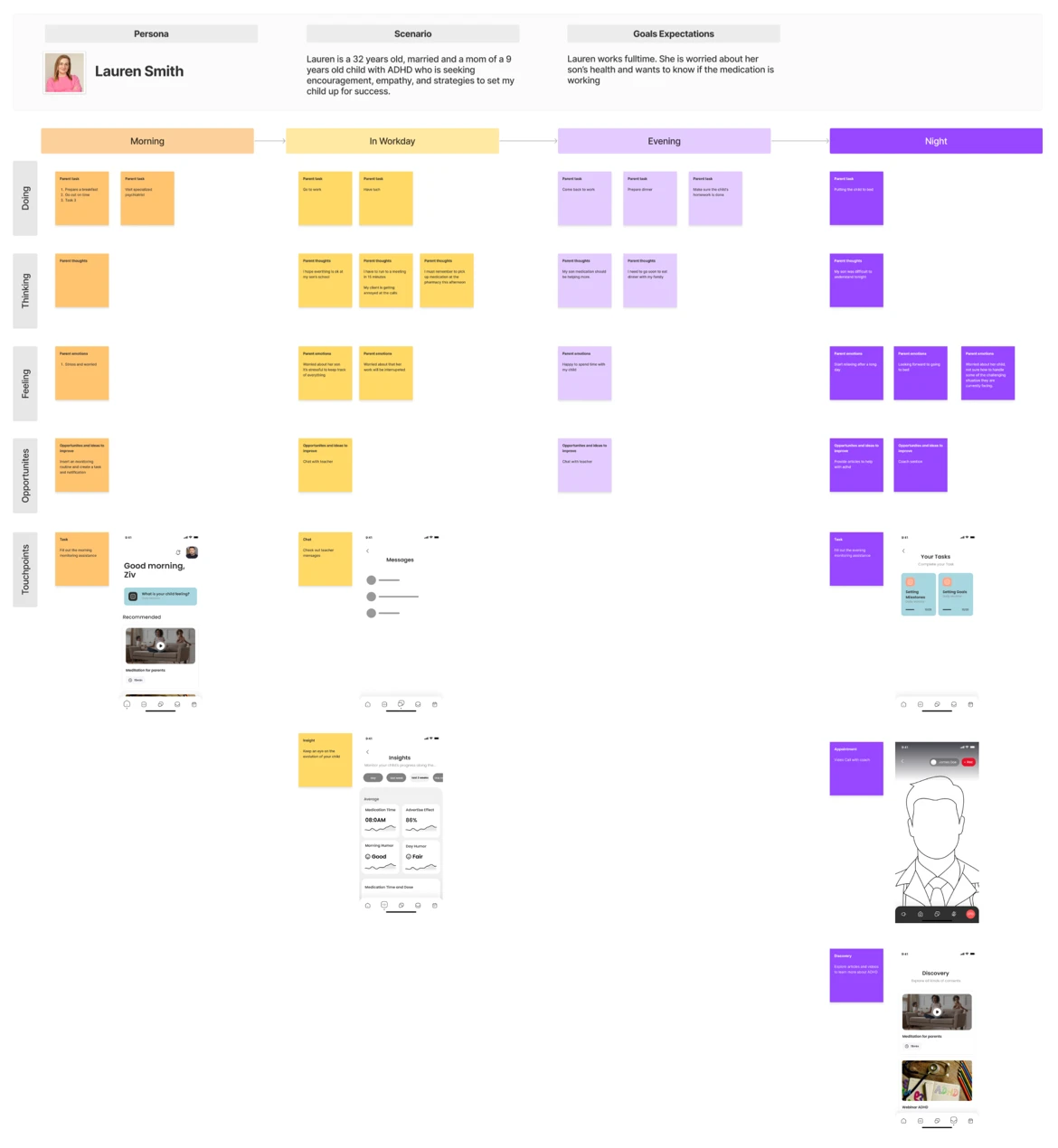
Persona · Lauren Smith
I started from one parent’s day, not from features.
Lauren is 32, married and a mom of a 9-year-old with ADHD, seeking encouragement, empathy and strategies to set her child up for success.
She works full time, worries about her son’s health and wants to know if the medication is working. Mapping her day (what she does, thinks and feels) showed where the product could step in.
03Design Sprint
Questions from experts, clustered into one concept.
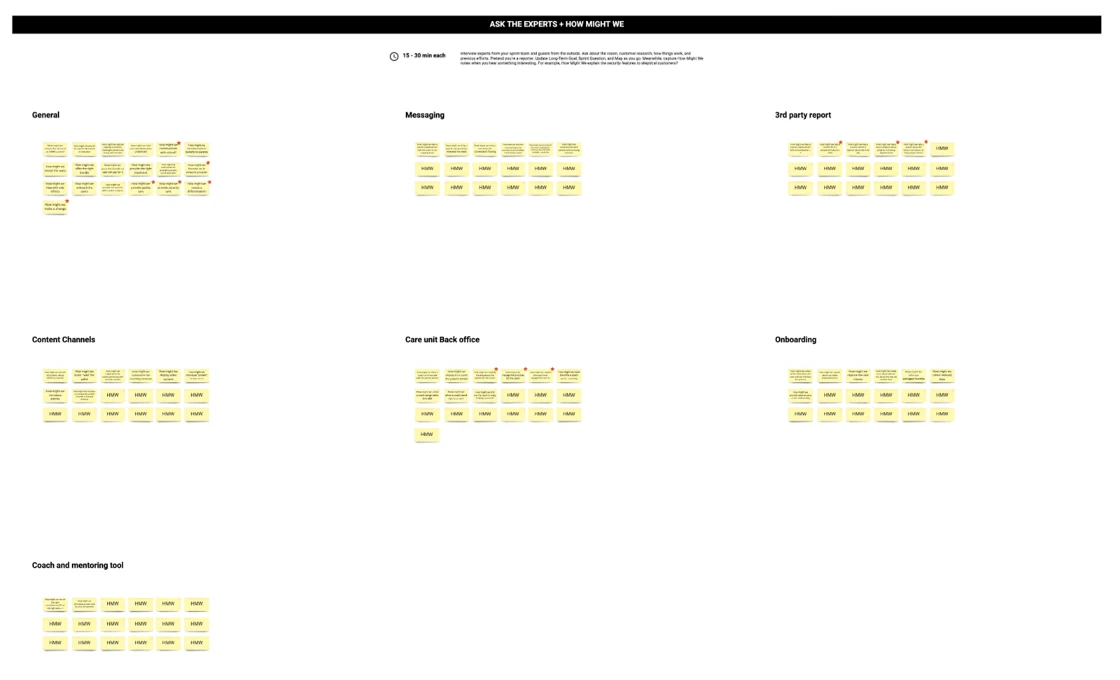
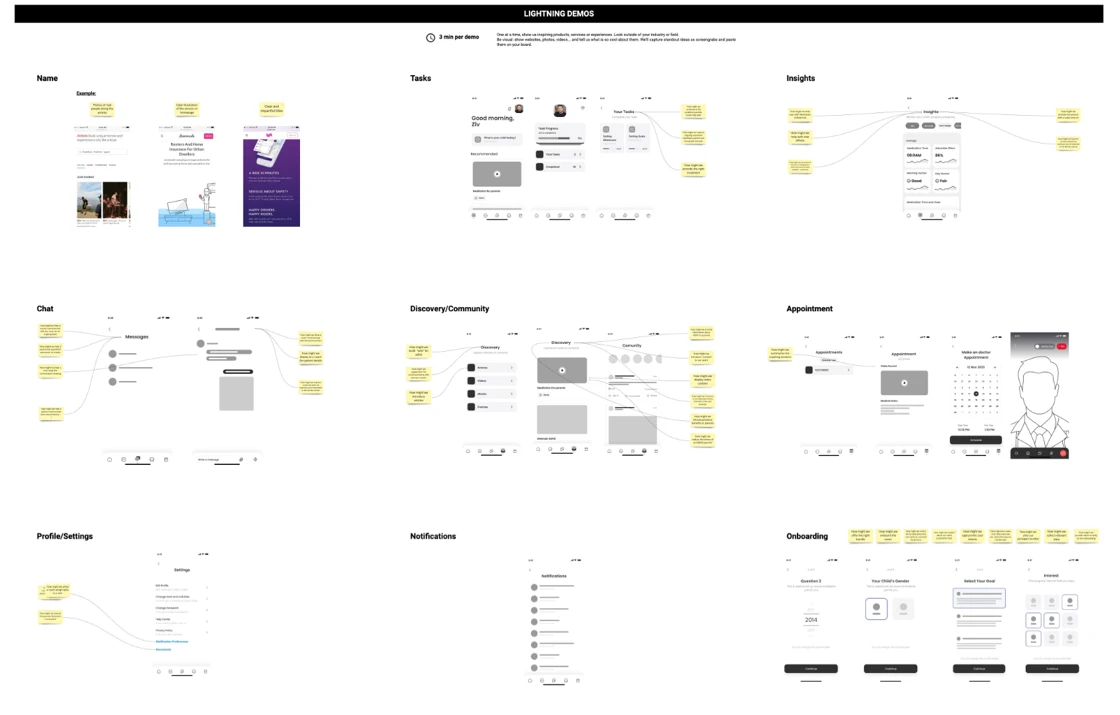
The sprint turned Ask-the-experts notes into seven How-might-we themes. Its conclusion set the brief: maximise outcomes and adherence through behavioural change.
Ask the experts
How might we…
Every expert note was clustered into a theme, and each theme later became part of the product.
- 01General
- 02Messaging
- 033rd party report
- 04Content channels
- 05Care unit back office
- 06Onboarding
- 07Coach and mentoring tool
04Proof of concept
We tested the service before building the software.
Before any app, we ran a pilot: content, an ebook and a dynamic questionnaire attracted parents, and a coaching team guided them by text message.
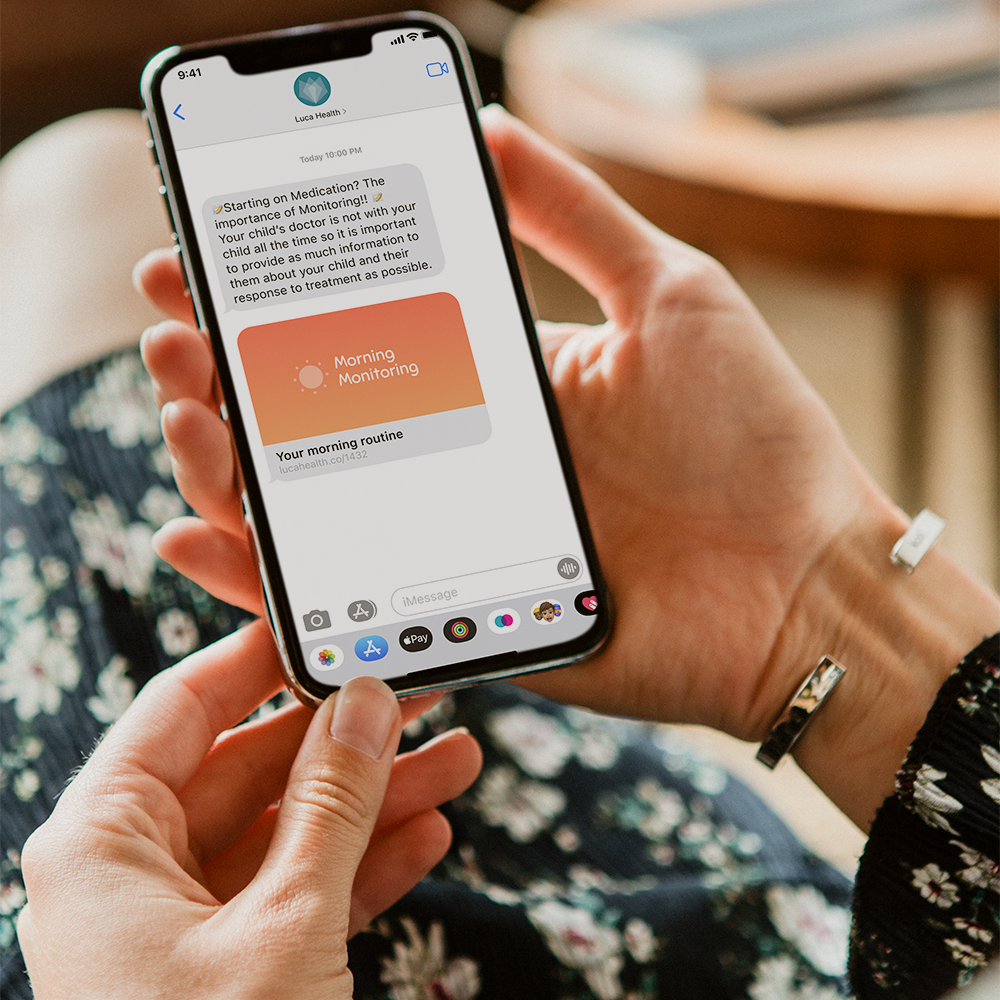

From pilot to product
- We assumed
Content, an ebook and text-message coaching could carry the behavioural-change concept on their own.
- Testing showed
Parents and the care team needed to work together in one place: questionnaire, support, goals and answers at any time.
- So we
built one app for parents and care teams, turning each pilot element into a feature: questionnaire → onboarding, messages → chat, goal tracking → achievements.
05Design decisions
Three decisions that shaped the app.
Following the POC, Periapt developed an app that lets parents and care teams work together, reducing the time needed to find the right treatment.
Design decisions
- 01
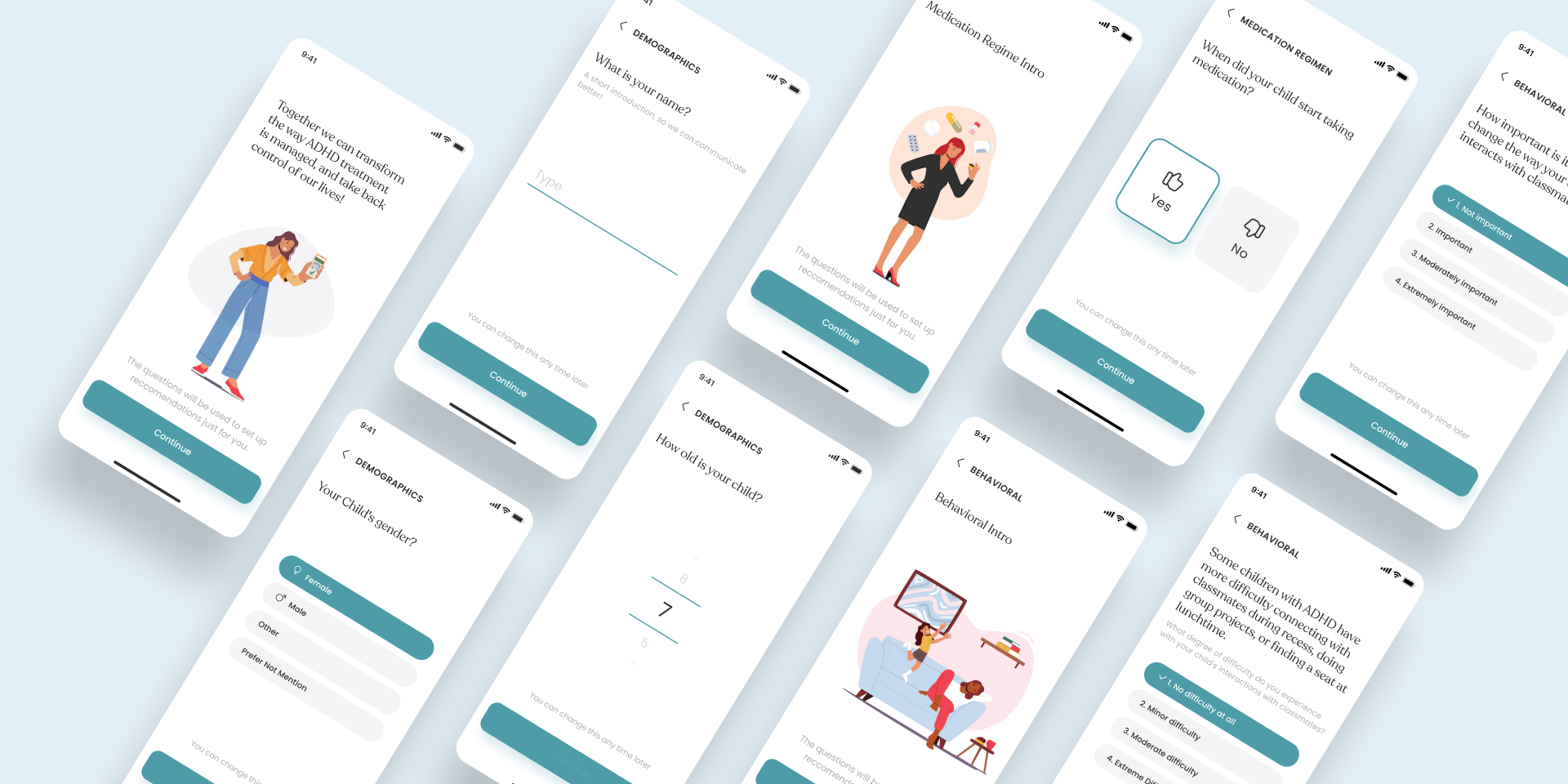
ChoseOnboarding questions about the child’s age, symptoms and previous treatments
Overa generic start that is the same for every family
Becausethe answers build a personalised journey tailored to each child.
- 02
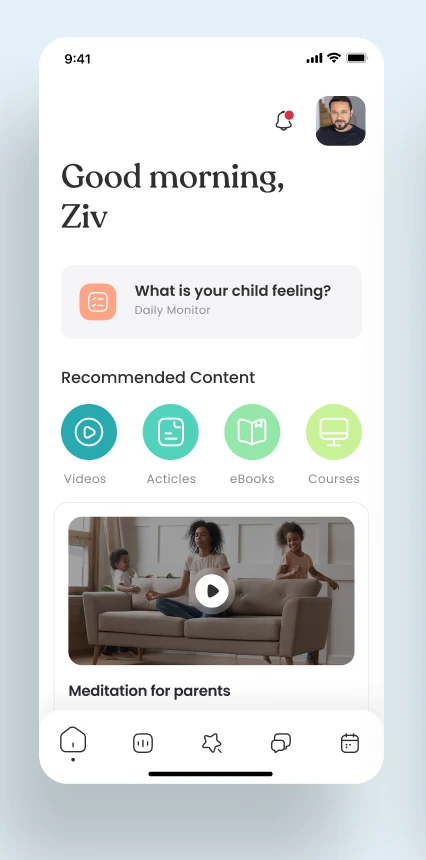
ChoseThe most important task first on Home
Overa dashboard of everything at once
Becausefor parents of ADHD children, managing tasks is already a daily challenge.
- 03
ChoseInsights generated from daily questionnaires
Overrelying on what parents remember at the appointment
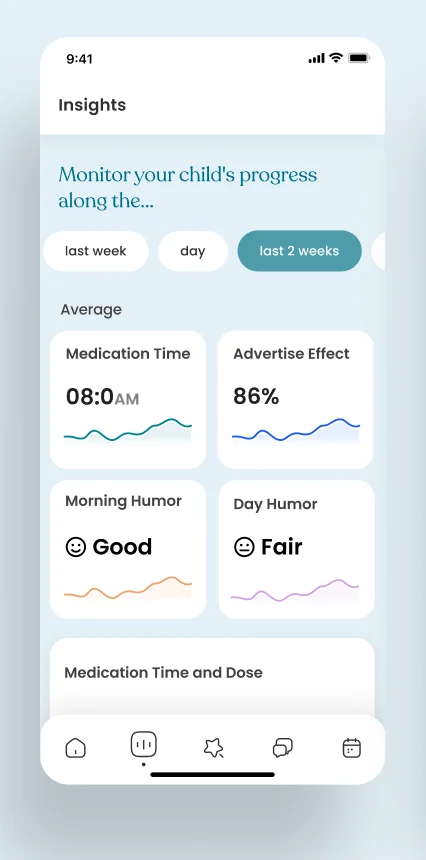
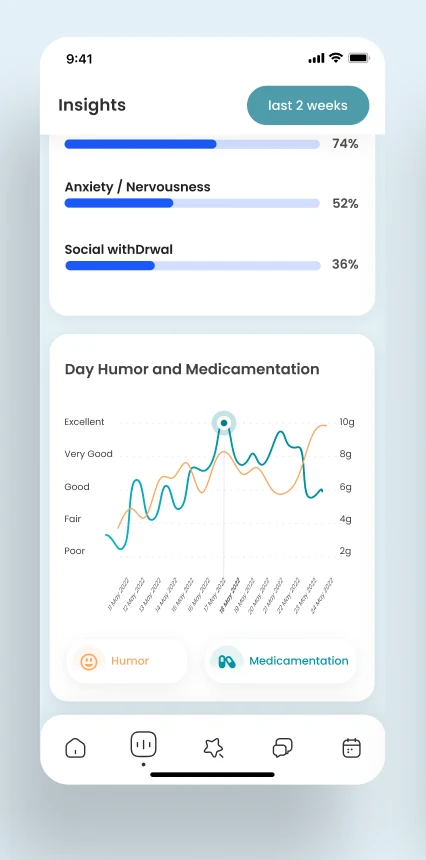
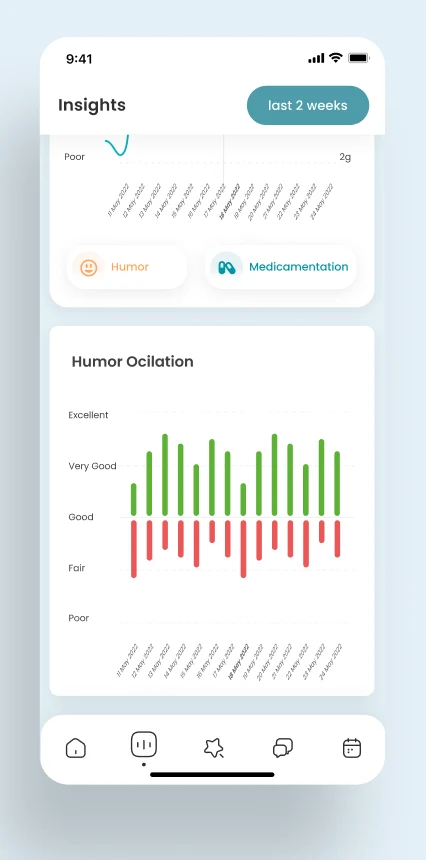
Becausepatterns in behaviour and symptoms can be shared with the doctor and care team.
Onboarding
A journey tailored to each child.
Onboarding gathers the child’s age, current symptoms and previous treatments, and uses them to personalise everything that follows.
06Daily care
Small daily wins, and patterns for the doctor.
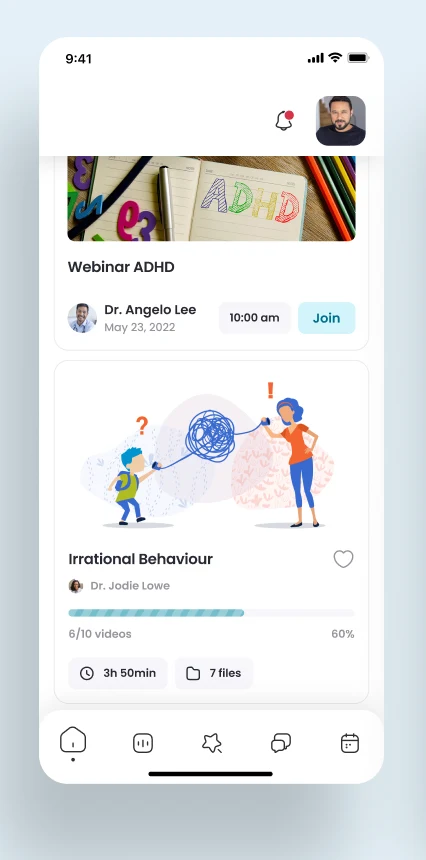
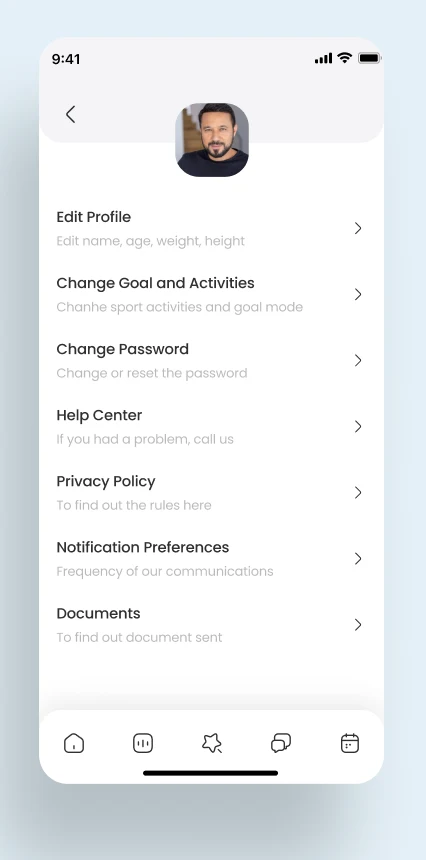
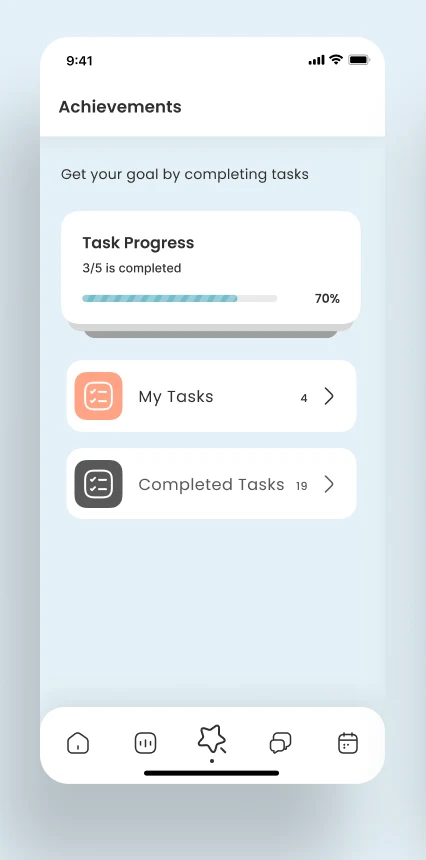
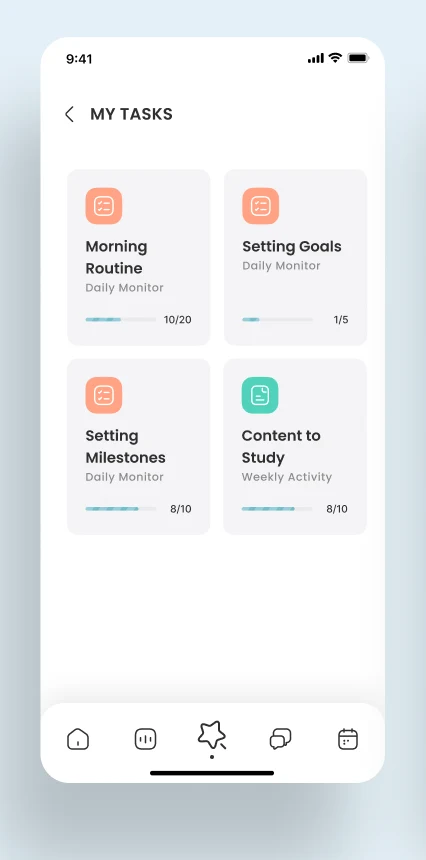
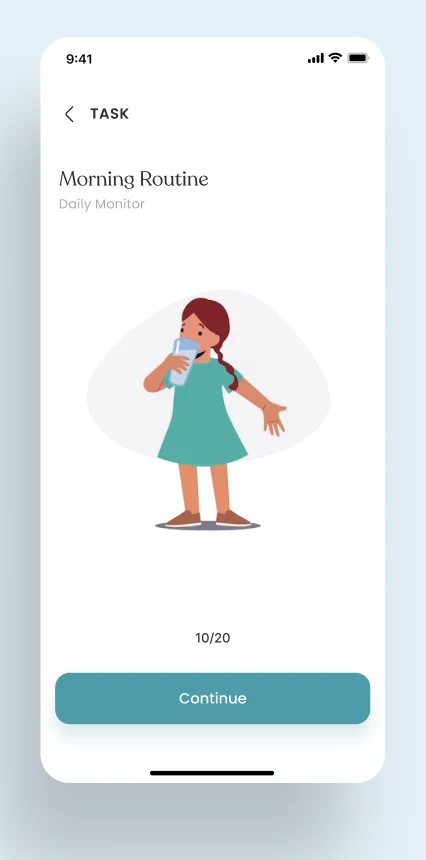
Home puts today’s most important task and relevant content first. Achievements keeps progress in one place, and Insights turns daily answers into patterns to share with the care team.
07Care team
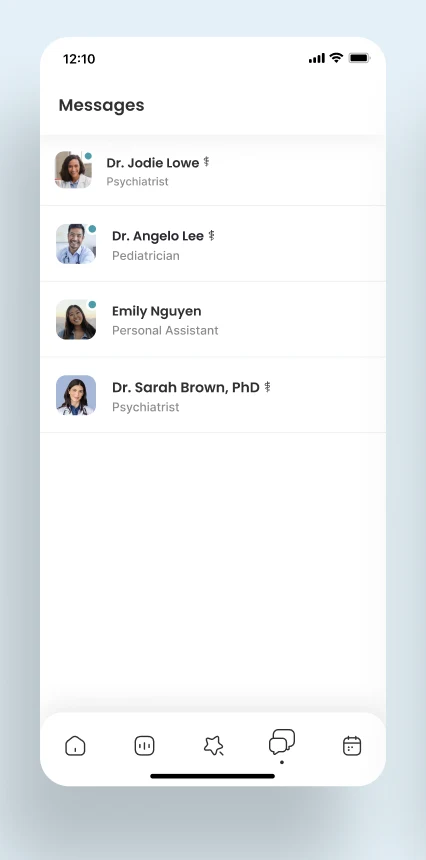
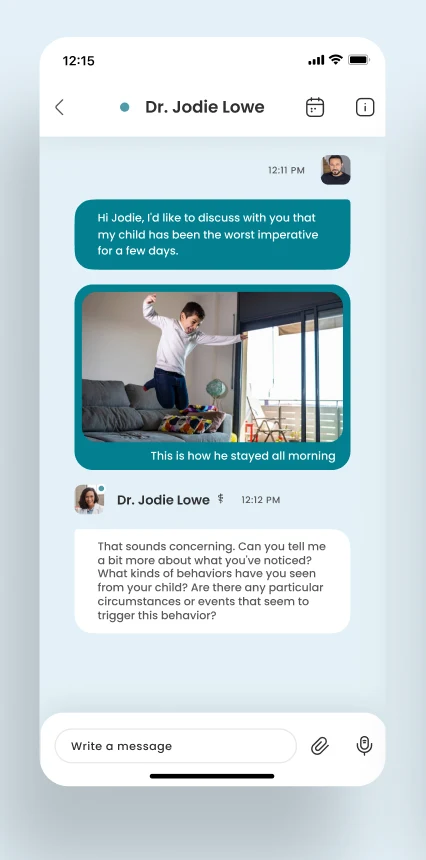
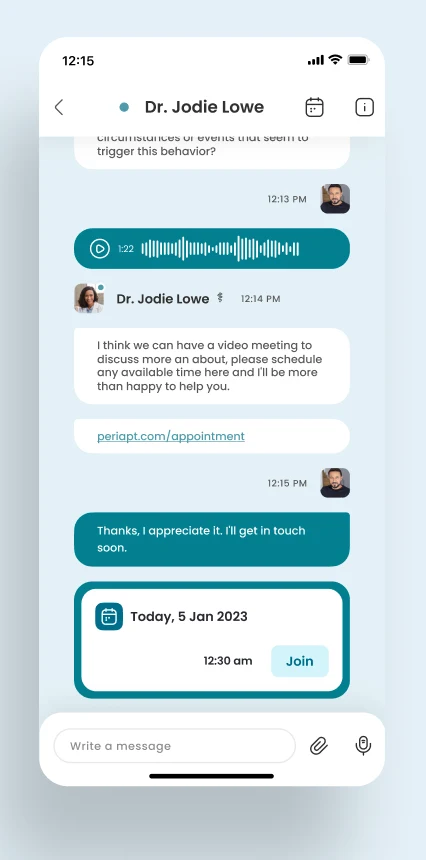
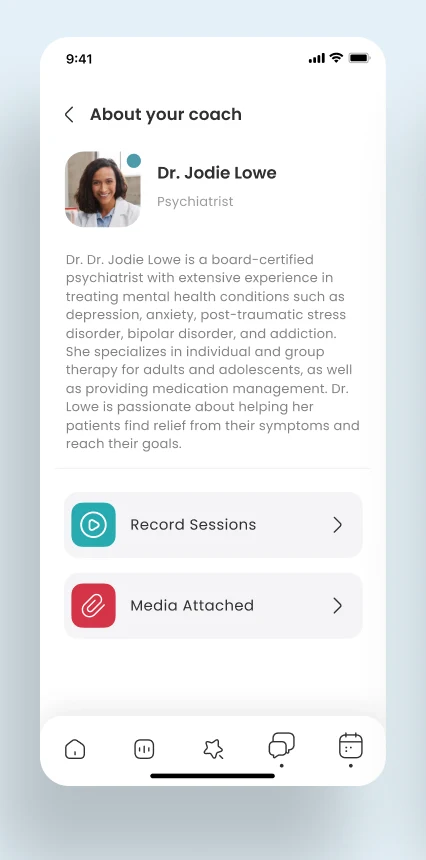
A coach a message away, appointments in the same app.
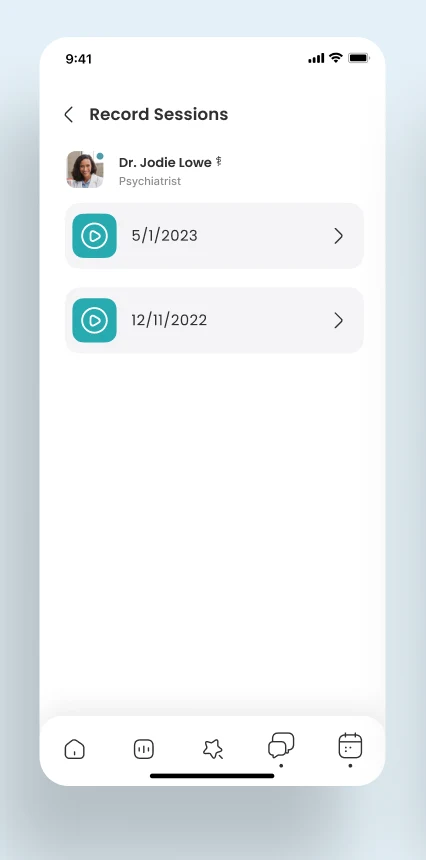
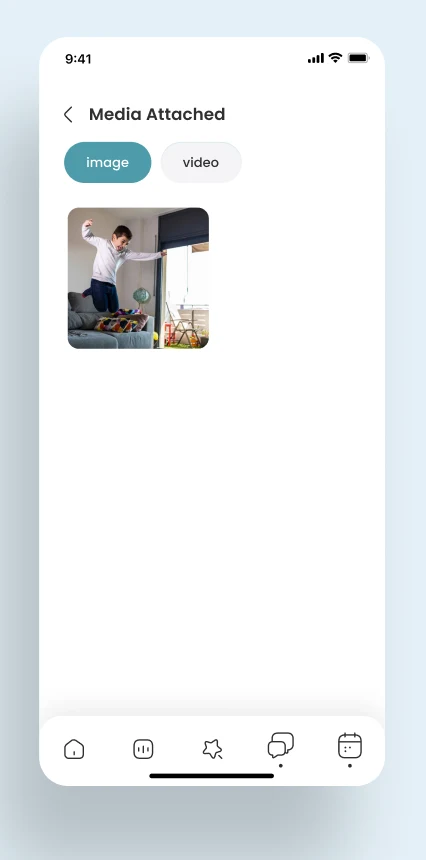
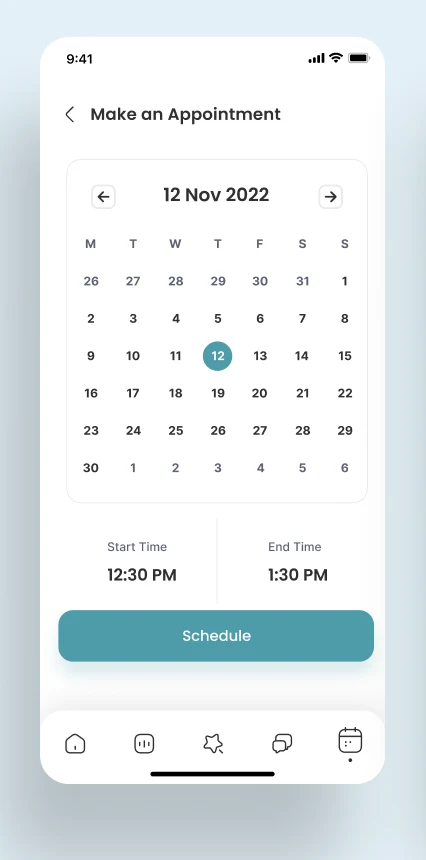
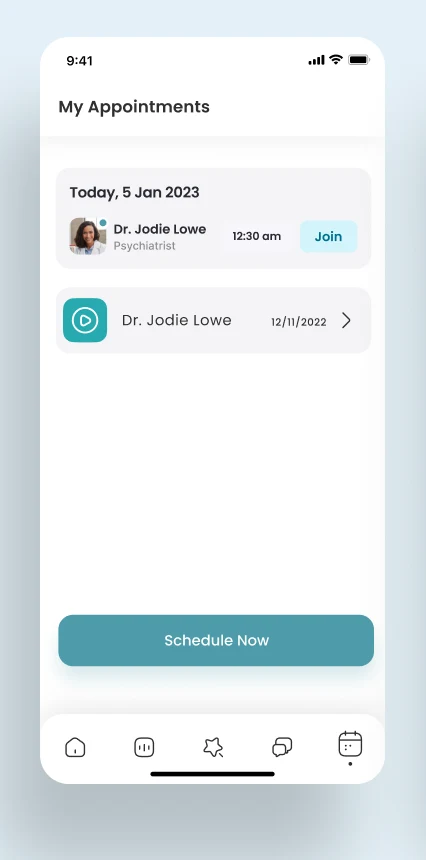
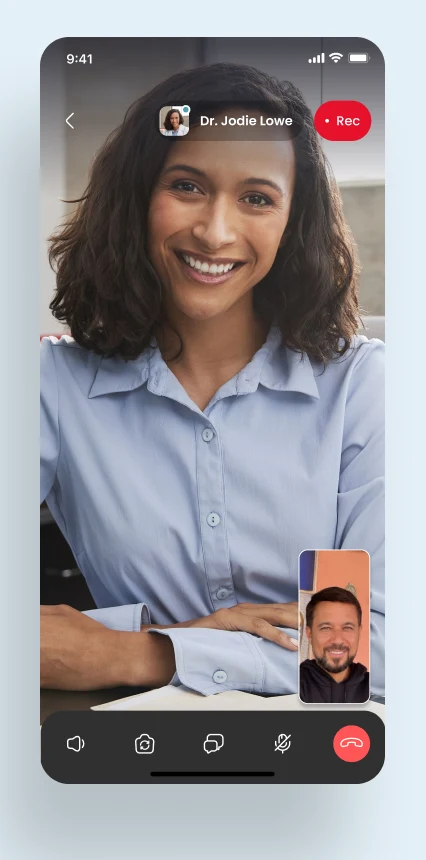
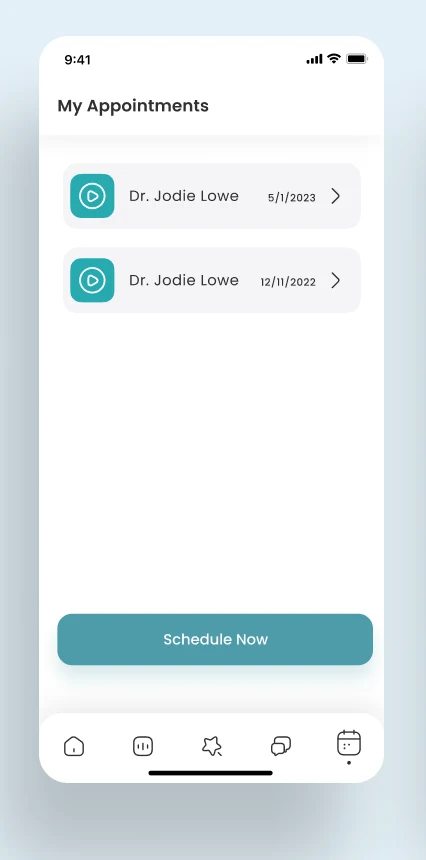
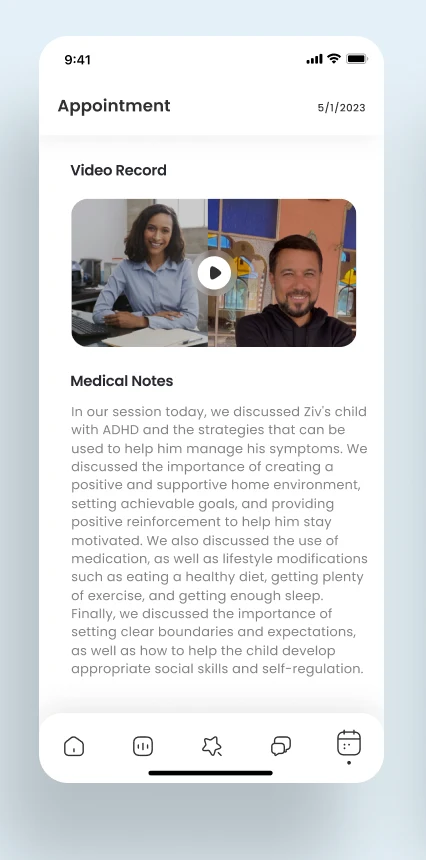
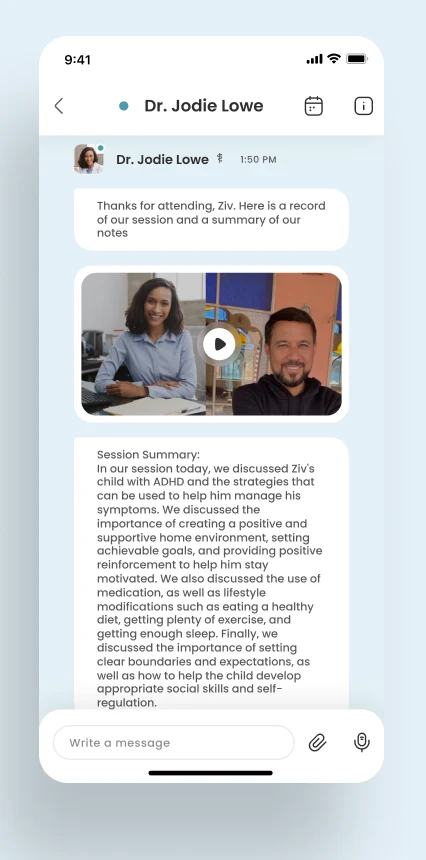
The coach gives personalised advice in chat, based on the child’s symptoms and needs. Scheduling, video calls and session notes live alongside, so care stays coordinated.
08Outcome
Parents and care team, finally on the same page.
The problem was parents managing alone and a care team without information. The MVP answers both, in one shared app.
- 01
Parents are not alone
Daily tasks, content and a coach a message away, between appointments.
- 02
The care team sees the child
Insights from daily questionnaires, shared with the doctor and care team.
- 03
Faster to the right treatment
Designed to reduce the time needed to find the right treatment for each child.
What I learned
Test the service before the software
A pilot with content and text-message coaching validated the concept cheaply before any app was built.
Design for the parent’s day
Starting from one persona’s day kept the app focused on moments of need, not features.
Behaviour change needs small wins
One important task at a time and visible progress matter more than a full dashboard.
Next timeMeasure adherence and questionnaire completion from the first release, and test as much with care teams as with parents.
Credits
- Role
- Lead Designer
- Client
- Periapt
- Timeline
- 2022
- Disciplines
- Design Sprint
- Product Strategy
- Mobile App Design
- Behaviour Change Design
- Prototyping