Mobile2017
Menu for You: How I designed a menu that speaks nine languages, so tourists in Brazil could order and pay without sharing a word with the waiter.
Menu for You

- My role
- Founding Designer: research, app, website & dashboard
- Users
- Tourists · waiters · restaurants
- Platform
- iOS & Android app · website · dashboard
- Recognition
- Official app of the Rio 2016 Olympic Games
01Problem
A tourist and a waiter who share no language.
In Brazil, tourists and waiters often don’t speak the same language, so reading the menu, ordering and paying all break down. As founding designer, I designed the platform that had to work for both sides of the table.
- languages translated
- 9
- design thinking sessions
- 2
- surfaces: app, website, dashboard
- 3
- official app of the Olympic Games
- Rio 2016
Where the meal broke down
- 01
Reading the menu
Tourists couldn’t understand dishes or prices written in the local language.
- 02
Talking to the waiter
Customer and waiter often didn’t share a language to place or adjust an order.
- 03
Paying the bill
Even the last step of the meal depended on being understood.
How might we
…let a guest and a waiter complete a whole meal together, from choosing a dish to paying the bill, without a shared language?
02Discover
Listening to tourists first.
We started with filmed interviews with tourists staying in hotels. They gave us first-hand insight into the target user, and doubled as promotional material.
User interviews
Tourists, in their own words
Interviews recorded with hotel guests about eating out in Brazil: the evidence the product was built on.
Research decision
- 01
ChoseFilmed interviews with hotel guests
OverAnonymous surveys
BecauseThe same recordings gave us insight into the target user and promotional material for launch.
03Define
Two sessions, one end-to-end journey.
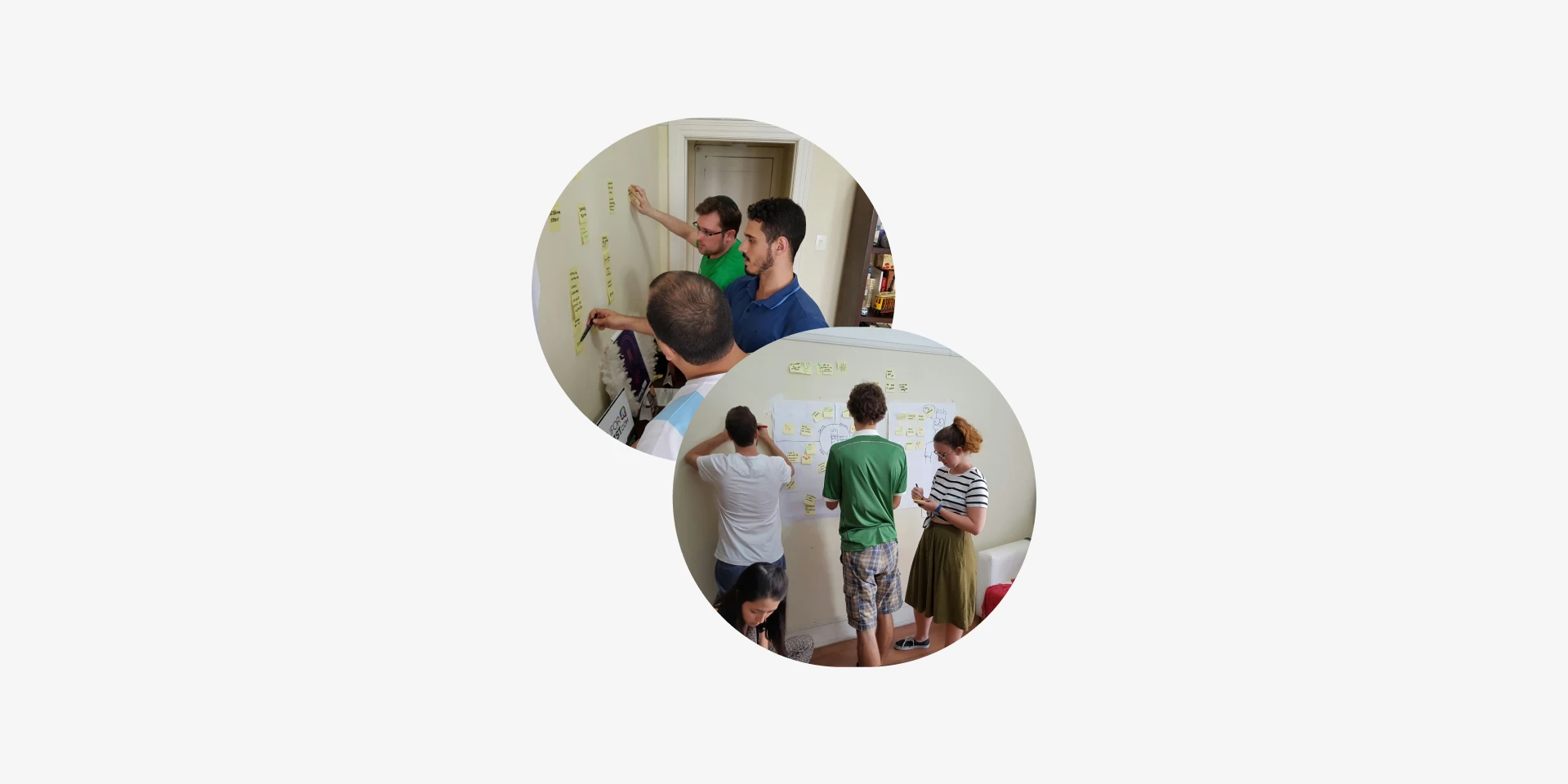
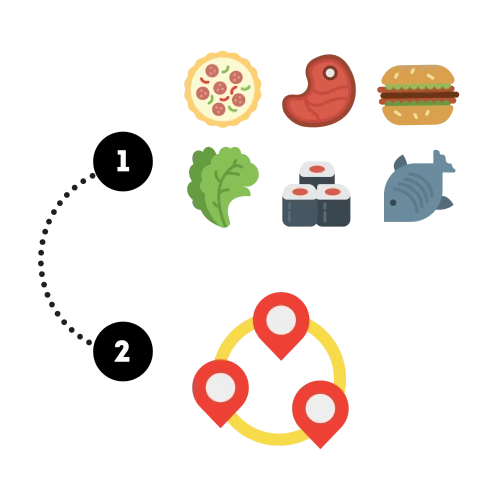
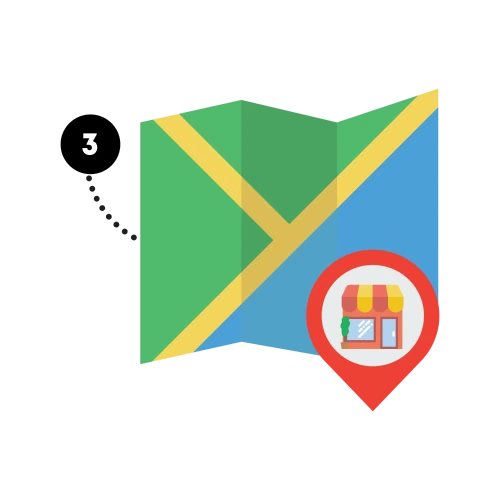
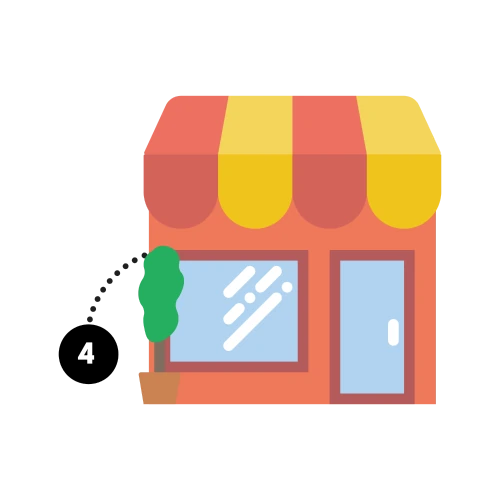
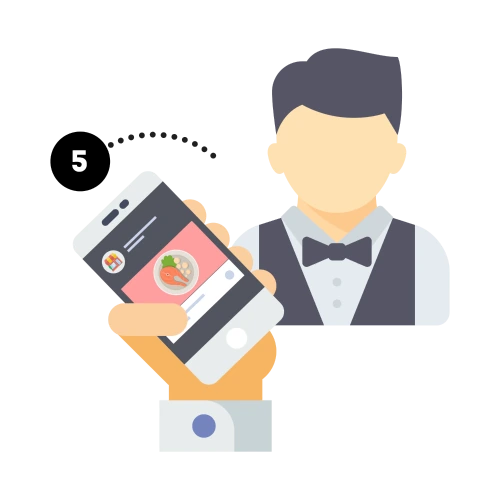
Two design thinking sessions turned the interview findings into a single journey. The app had to carry the guest from finding a restaurant all the way to paying.
The journey the app follows
- 1FindFood type or location
- 2InfoDirections & photos
- 3OrderFull menu & prices
- 4TranslateShow the waiter
- 5PaySettle the bill
Design decisions
- 01
ChoseOne order, shown in two languages: the guest’s and the waiter’s
OverTranslating the menu for the guest only
BecauseThe barrier sits between two people: the waiter has to read the order as clearly as the guest chose it.
- 02
ChoseA complete local guide: find, info, order, translate, pay
OverA stand-alone translation tool
BecauseThe sessions showed the problem spans the whole meal, from choosing where to eat to settling the bill.
- 03
ChoseA dashboard for restaurants to publish their own menus
OverMenus entered only by our team
BecauseTranslated menus stay accurate when the restaurant owns its content, and gets analytics back.
04App
Find, order, translate, pay.
Each step of the journey became one part of the app. It is also a complete local guide, with discounts, information and photos.
01Find
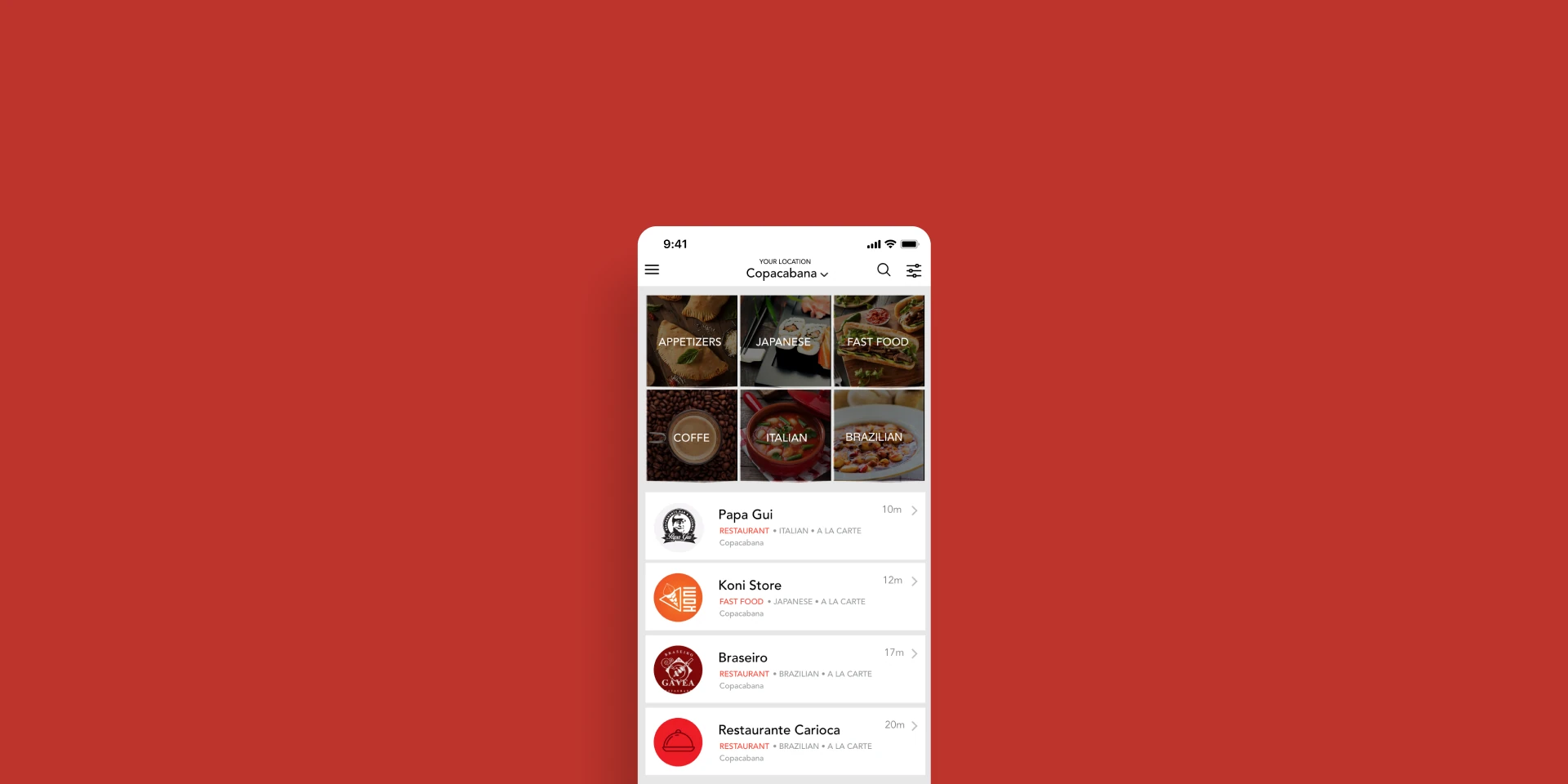
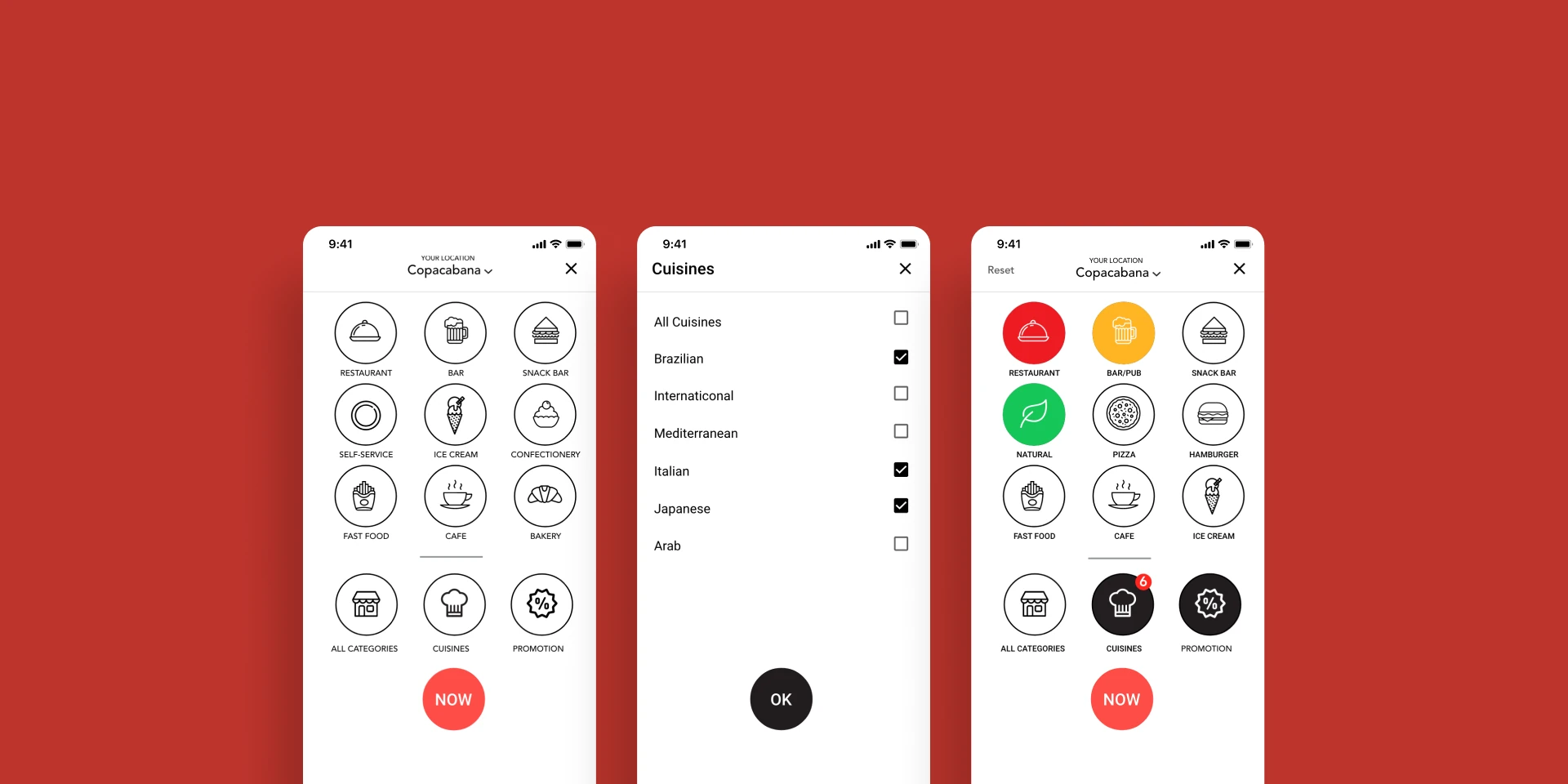
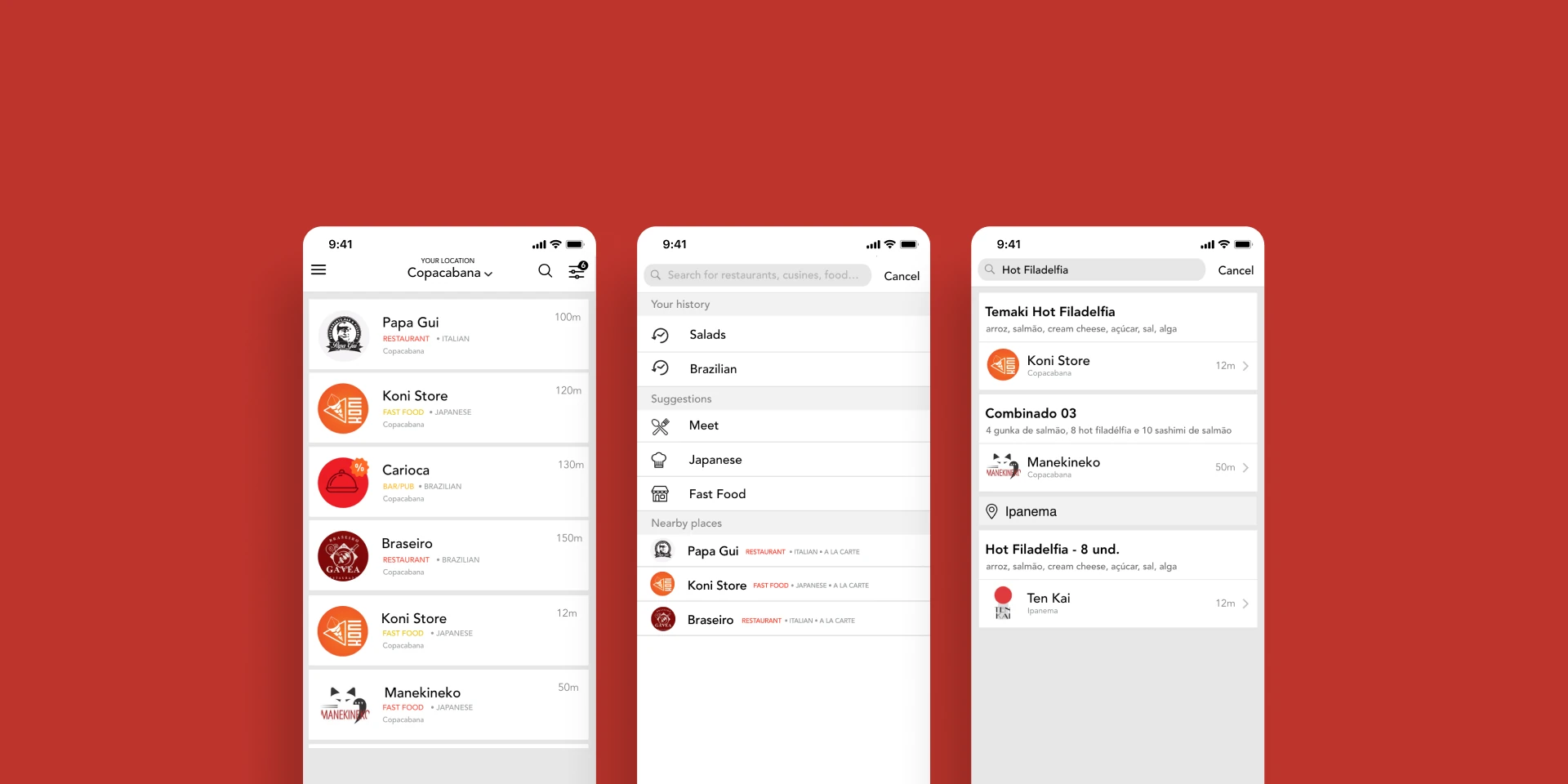
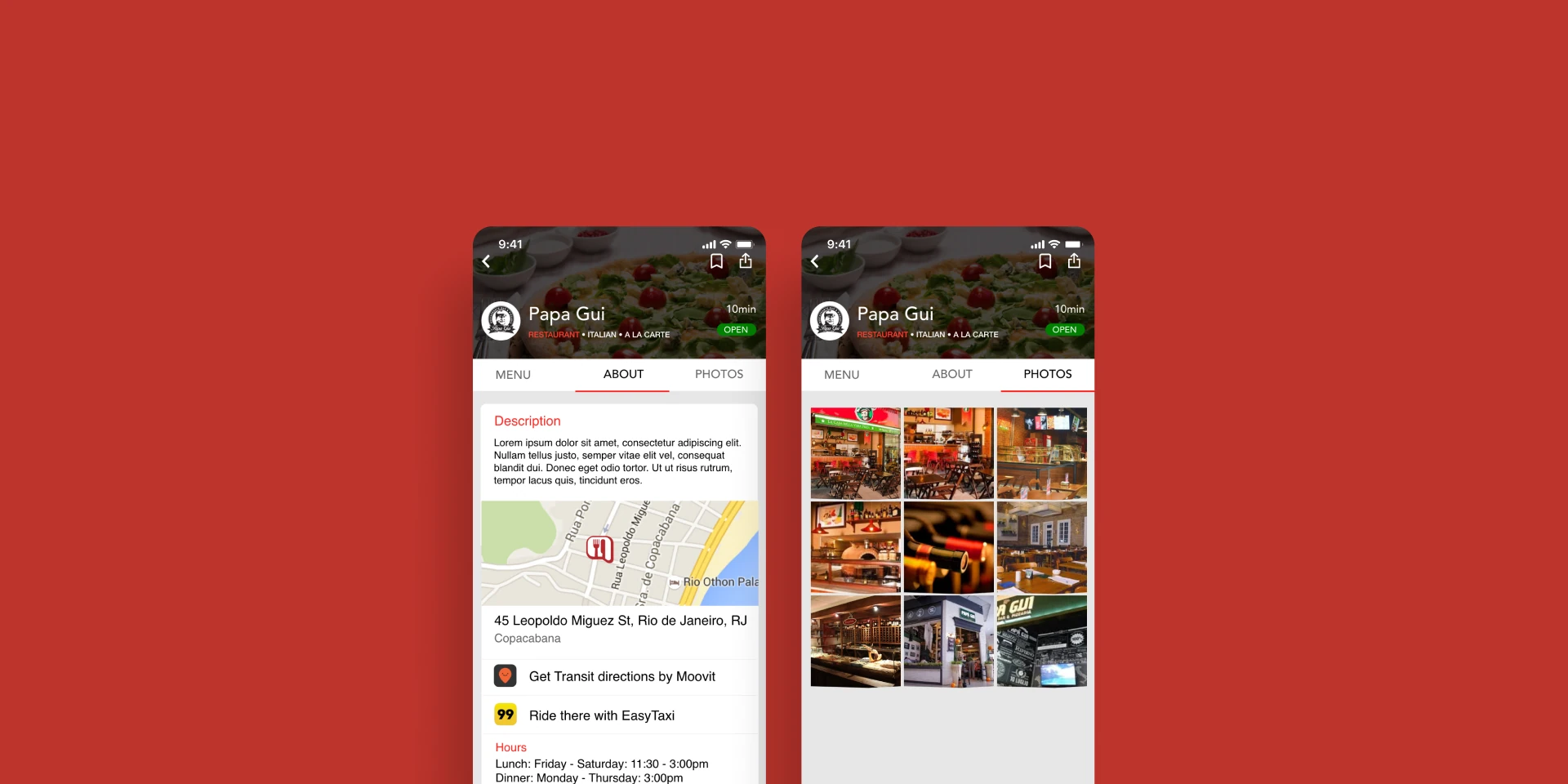
Choose the type of food you want and we’ll list the restaurants near you.
02Info
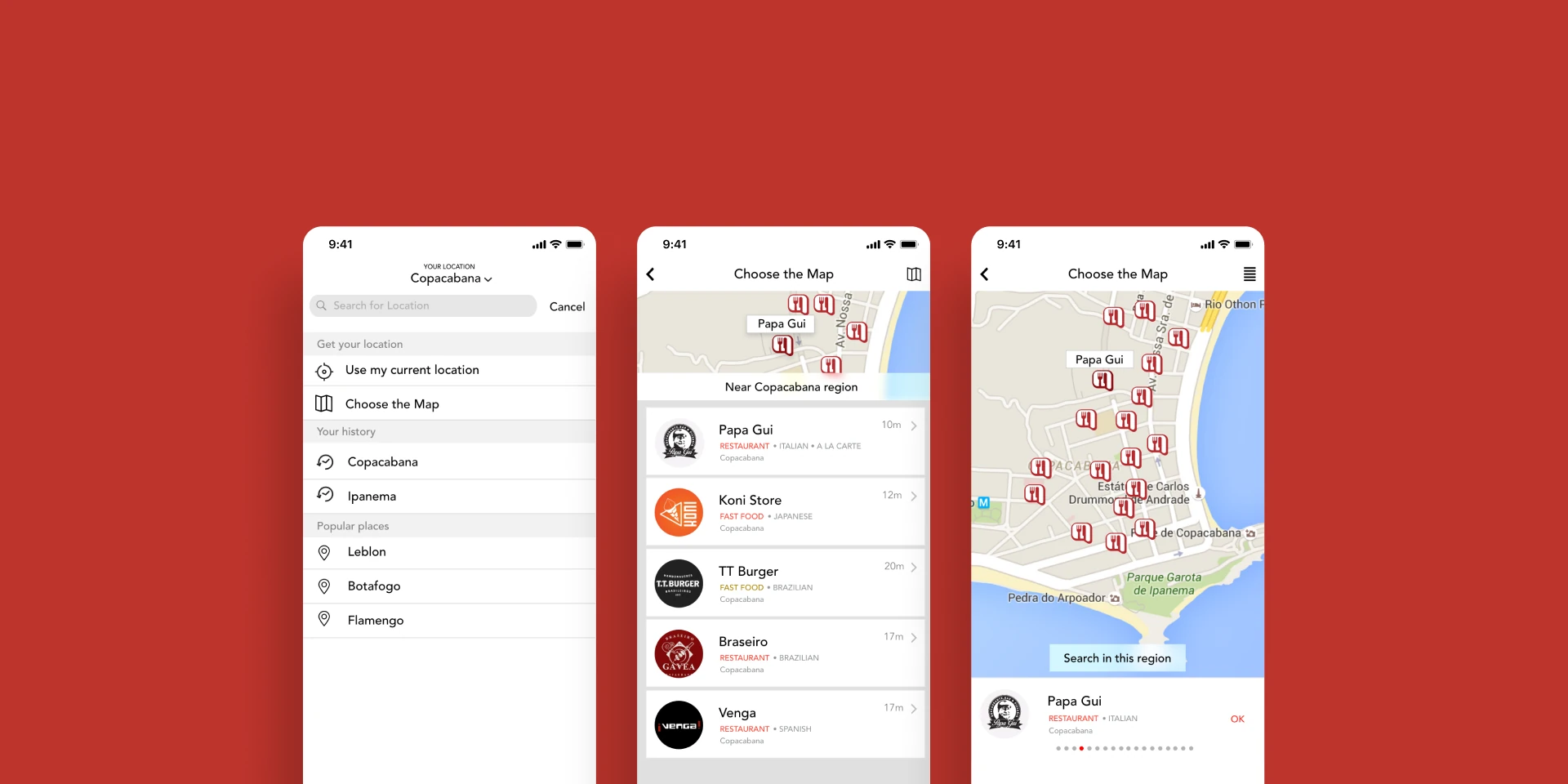
Find instructions on how to get to the selected location, and see photos and information about the restaurant.
03Order
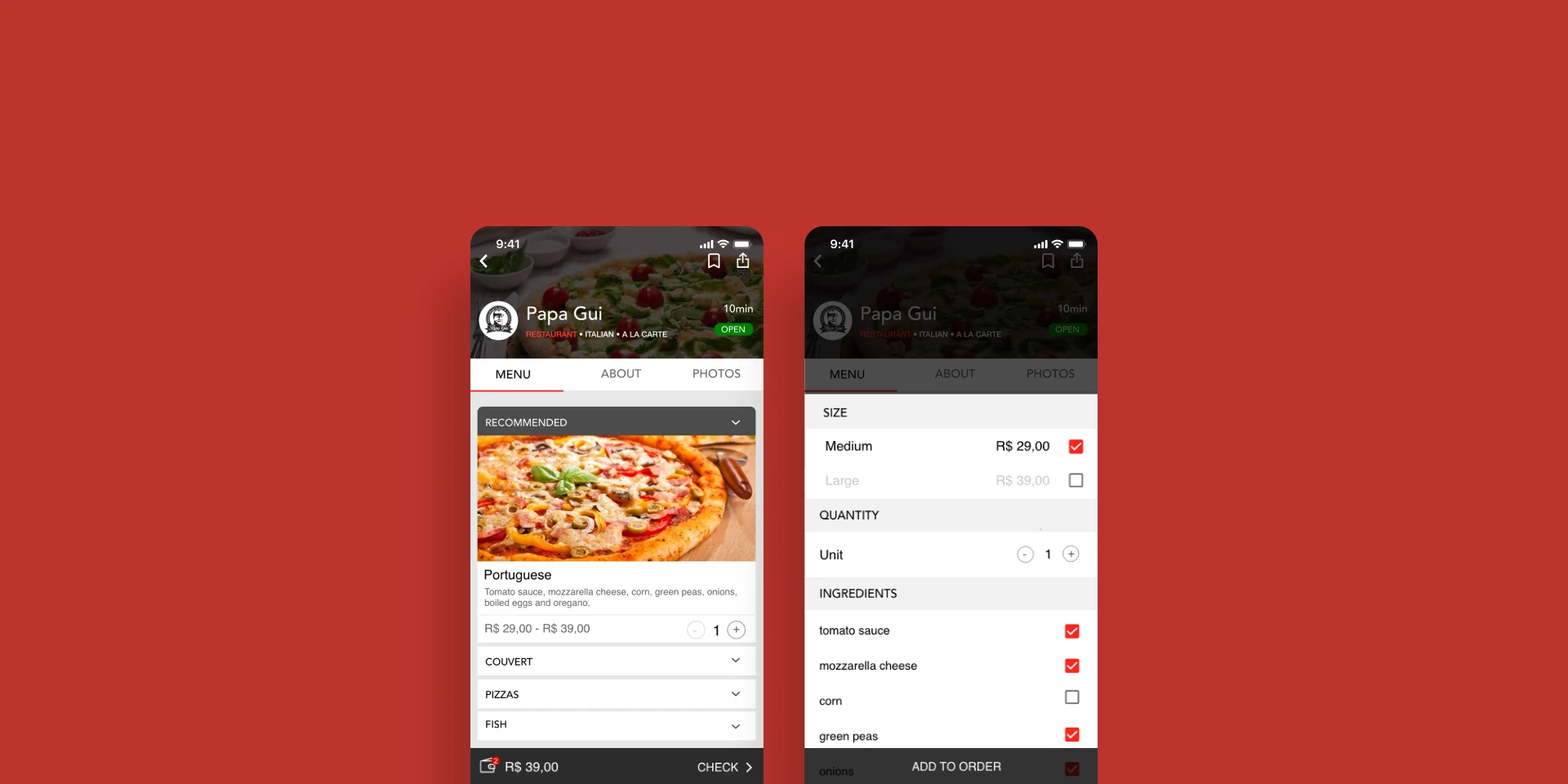
Check out the complete menu with the prices of the meals included and, when you get there, place the order in your language.
04Translate / Pay
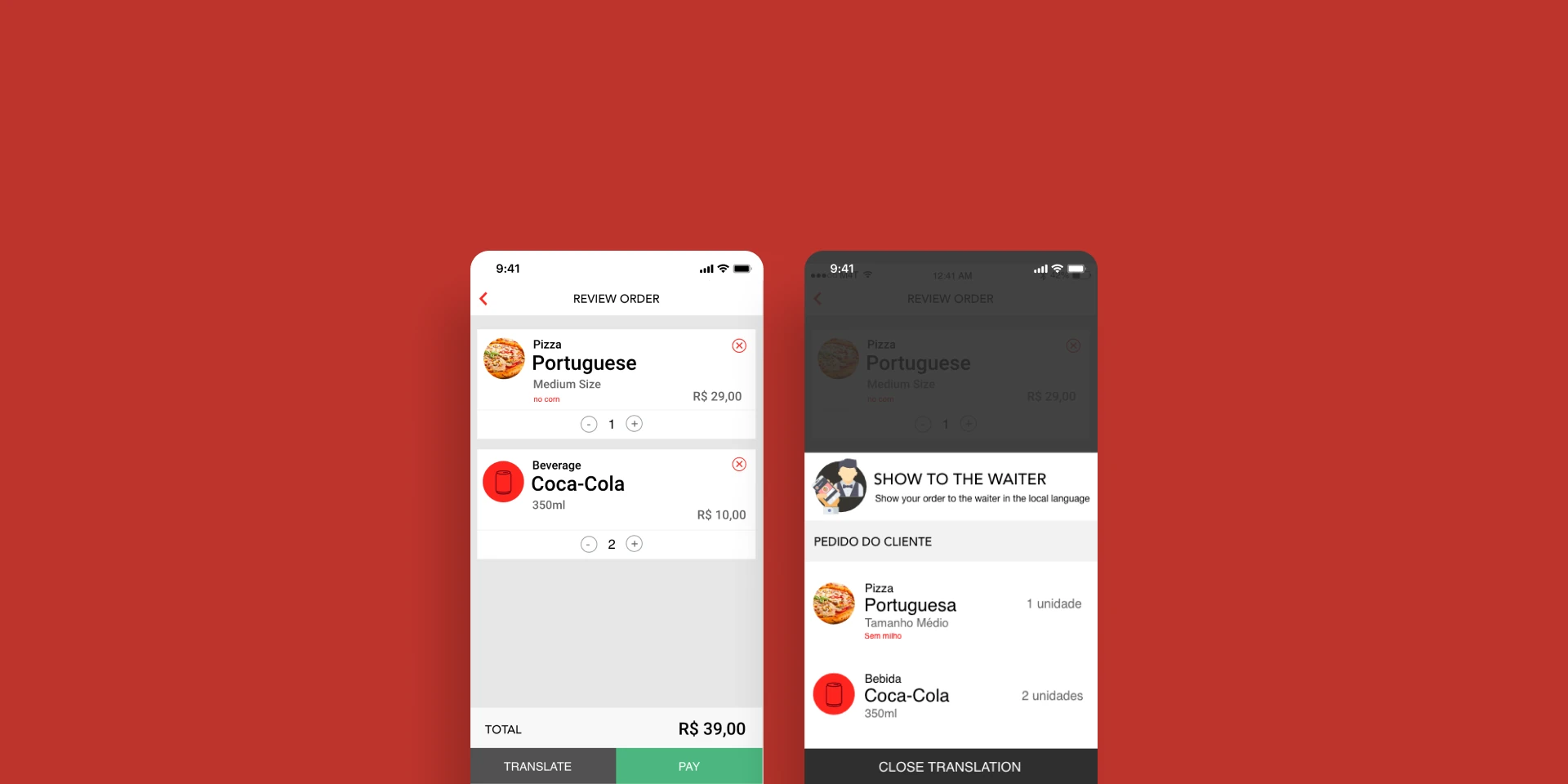
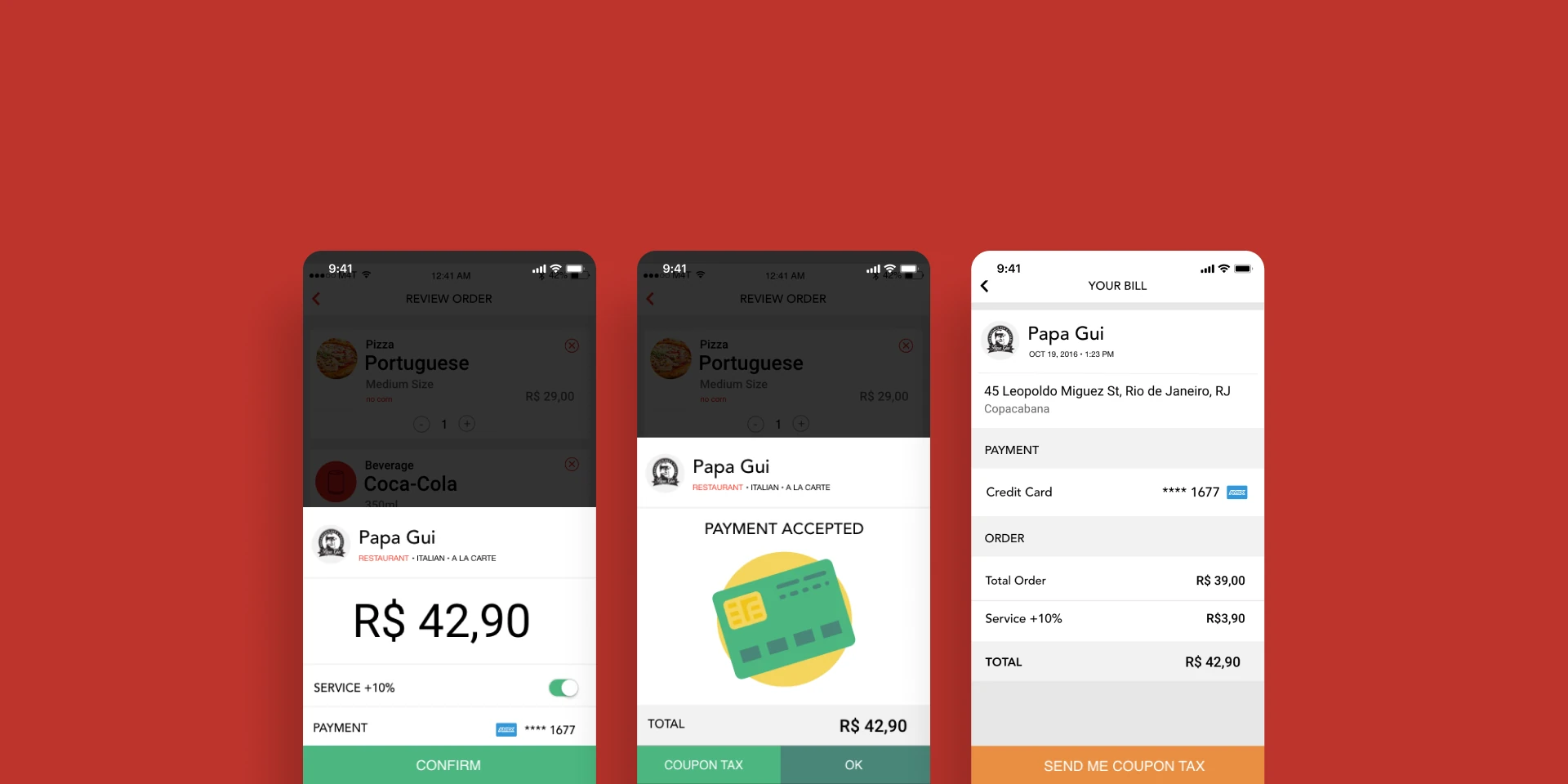
Tap “Translate” and show the waiter the order in the local language, or pay the bill in the app.
05Platform
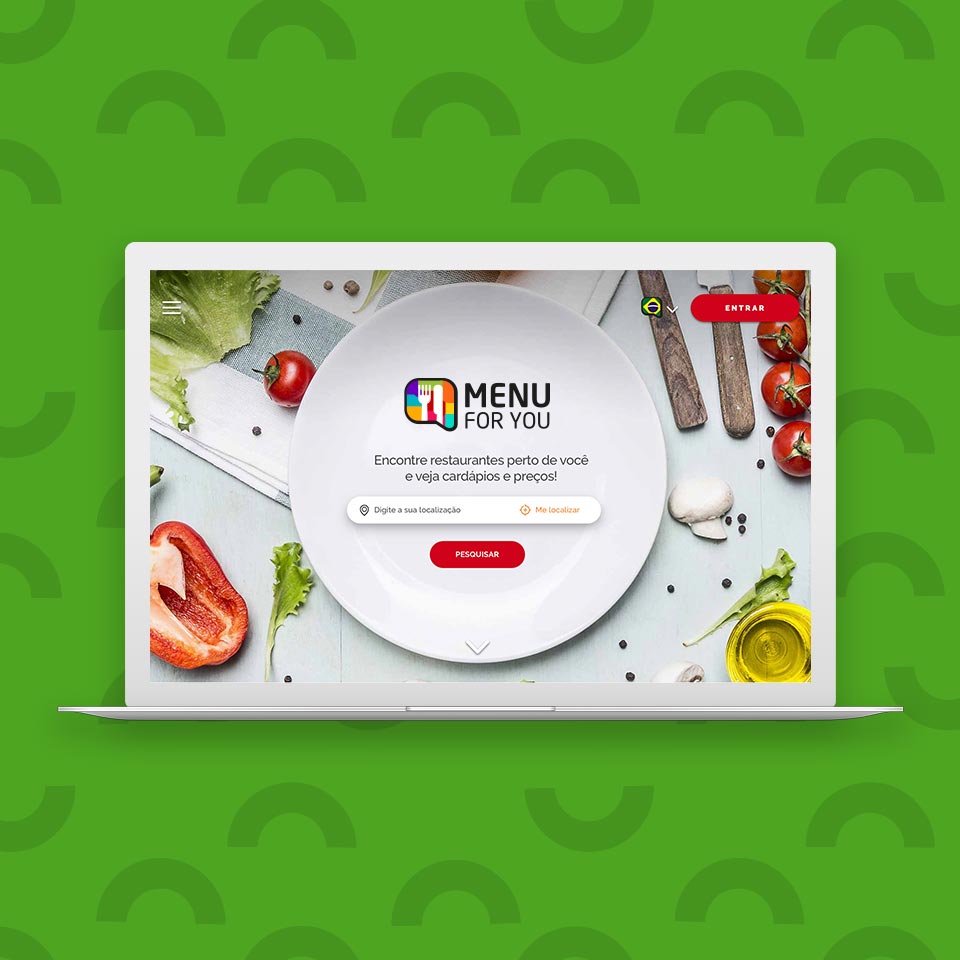
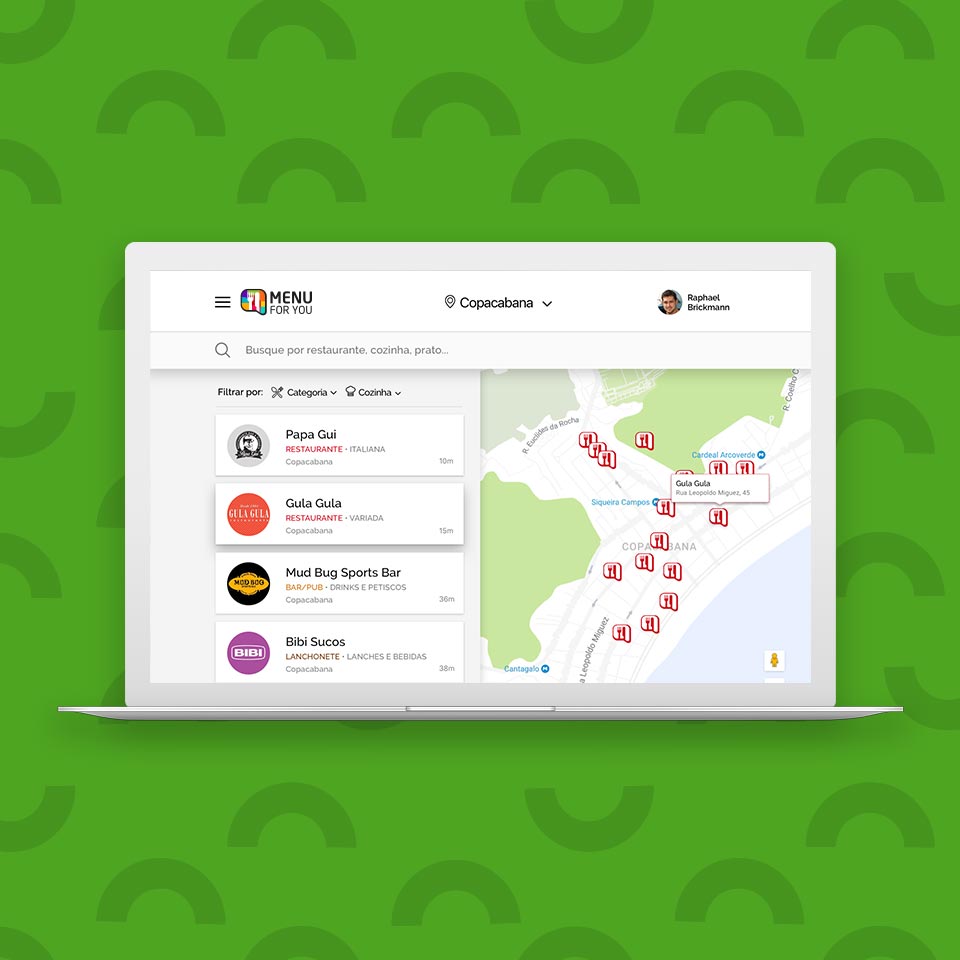
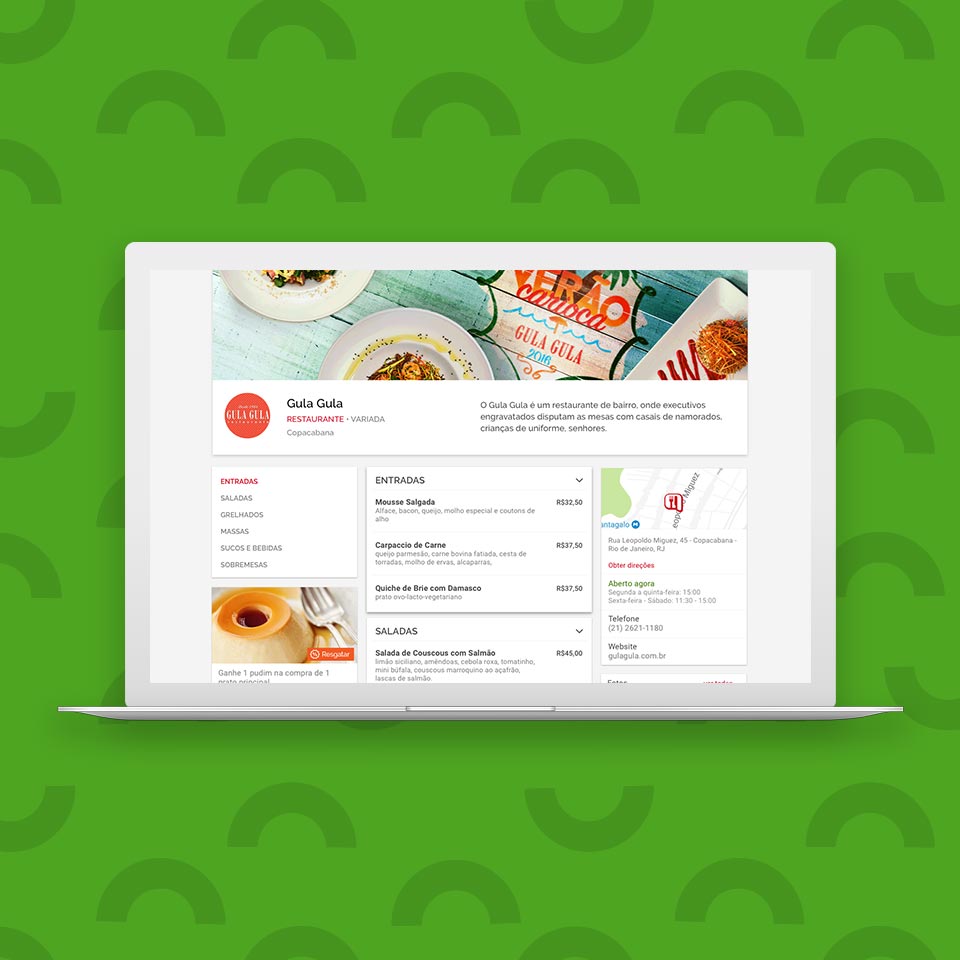
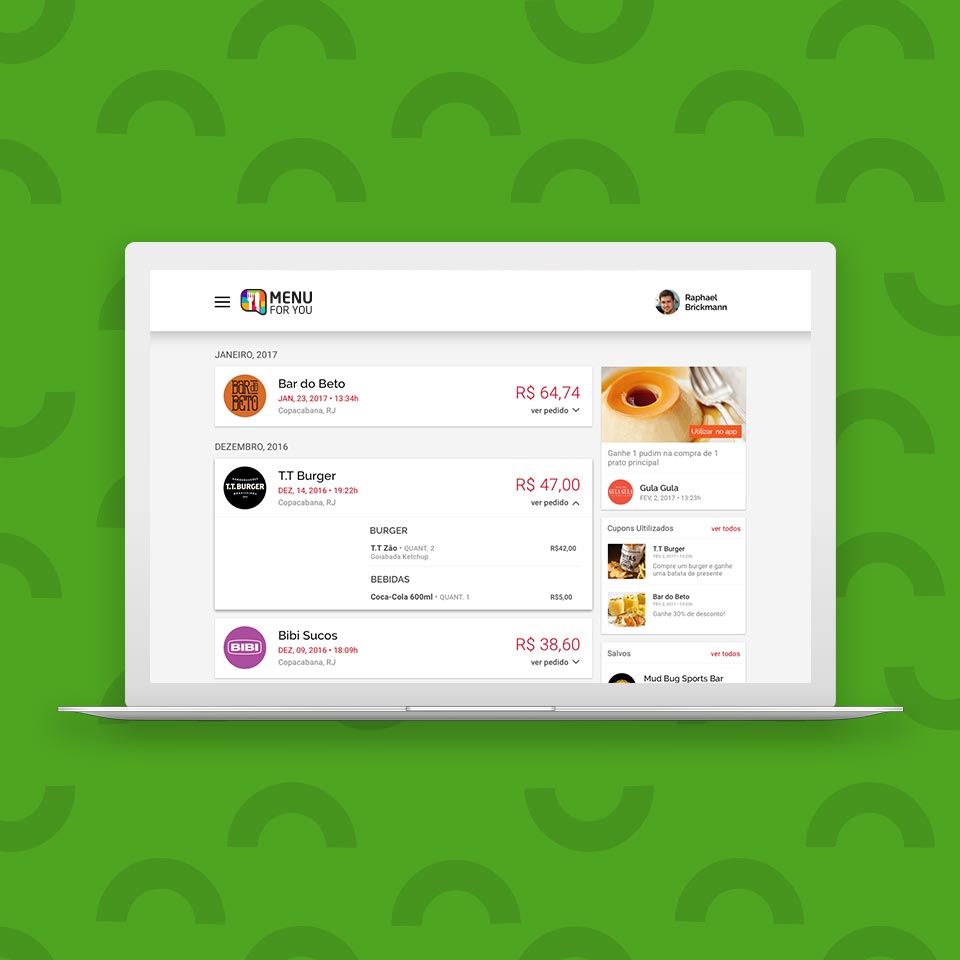
A website for guests, a dashboard for restaurants.
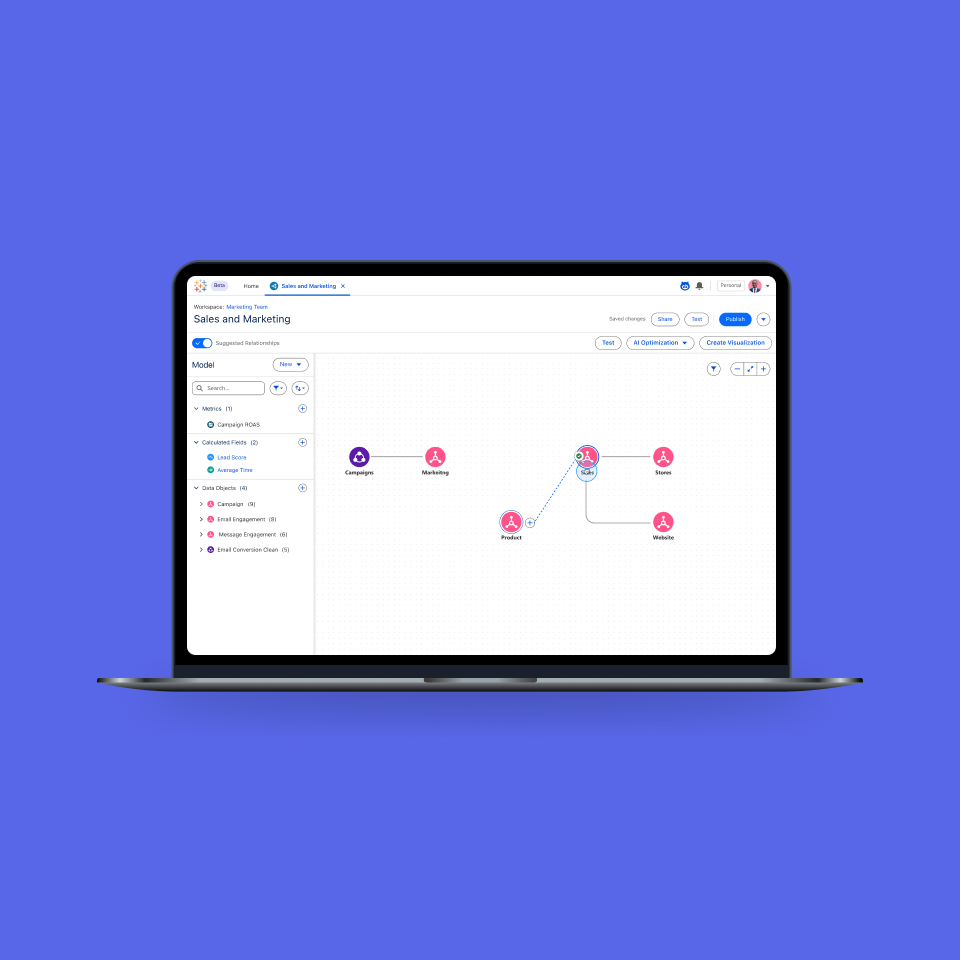
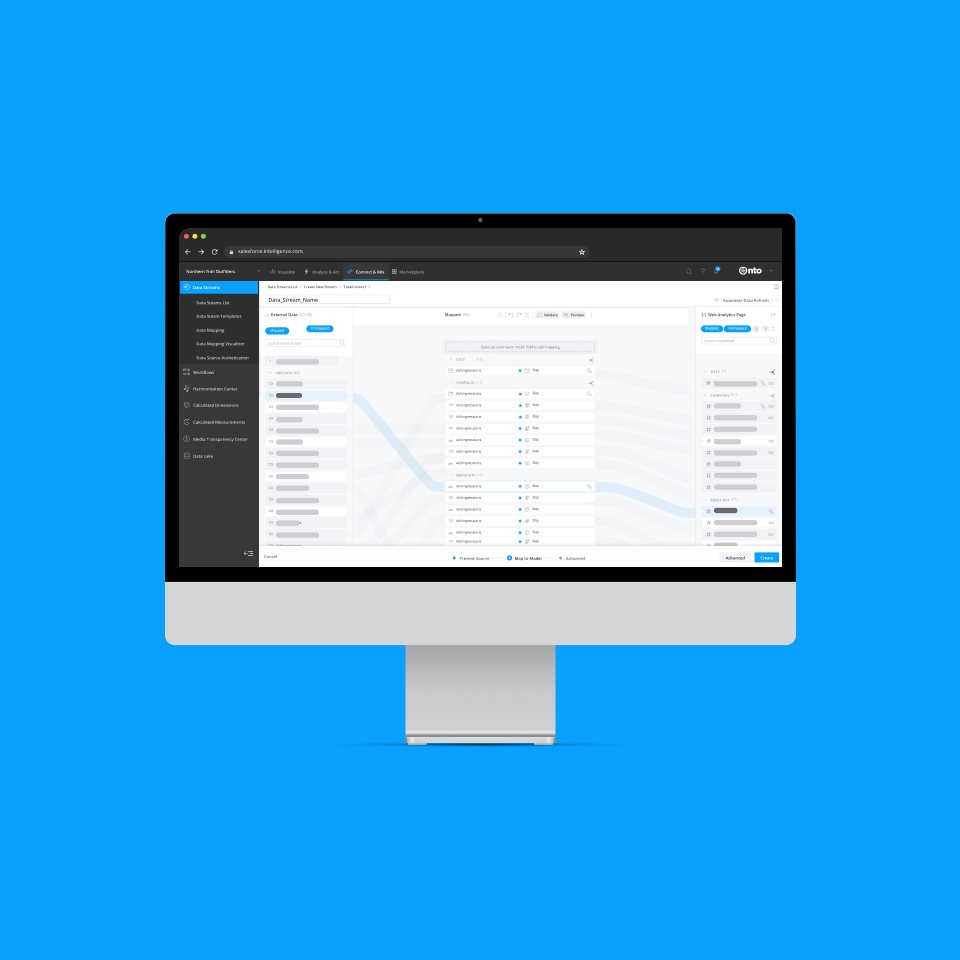
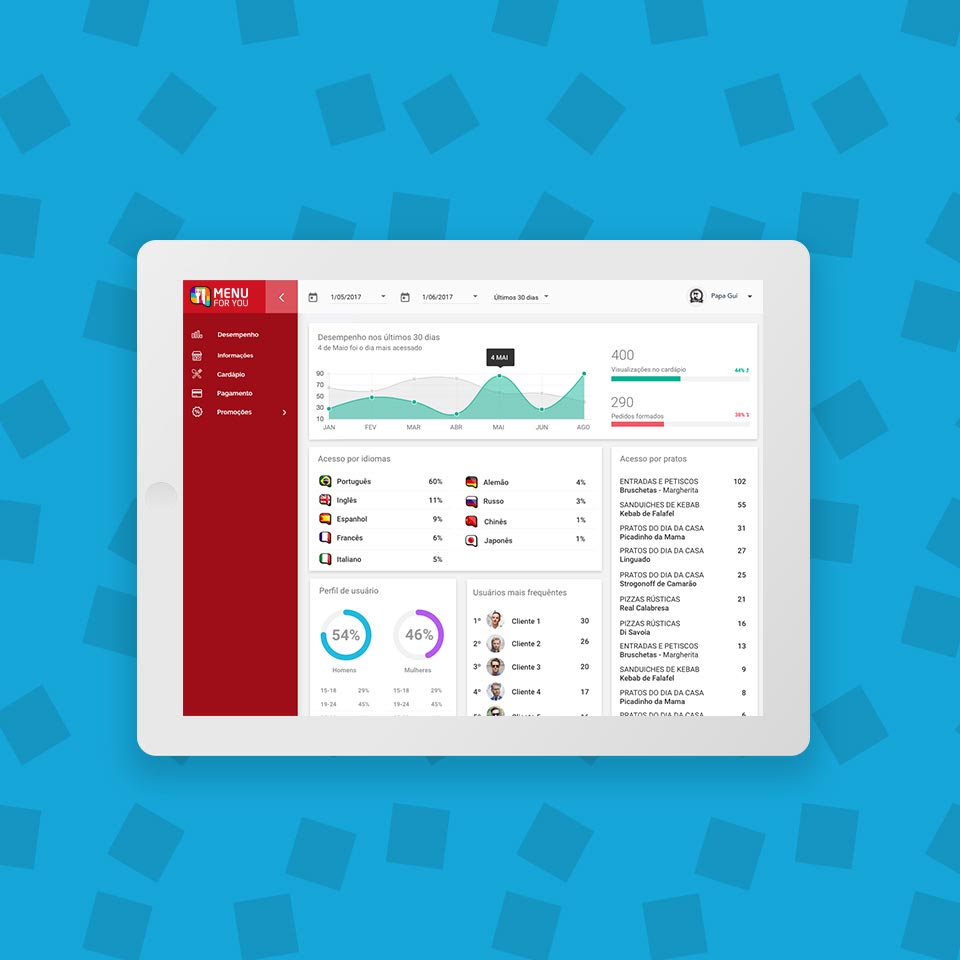
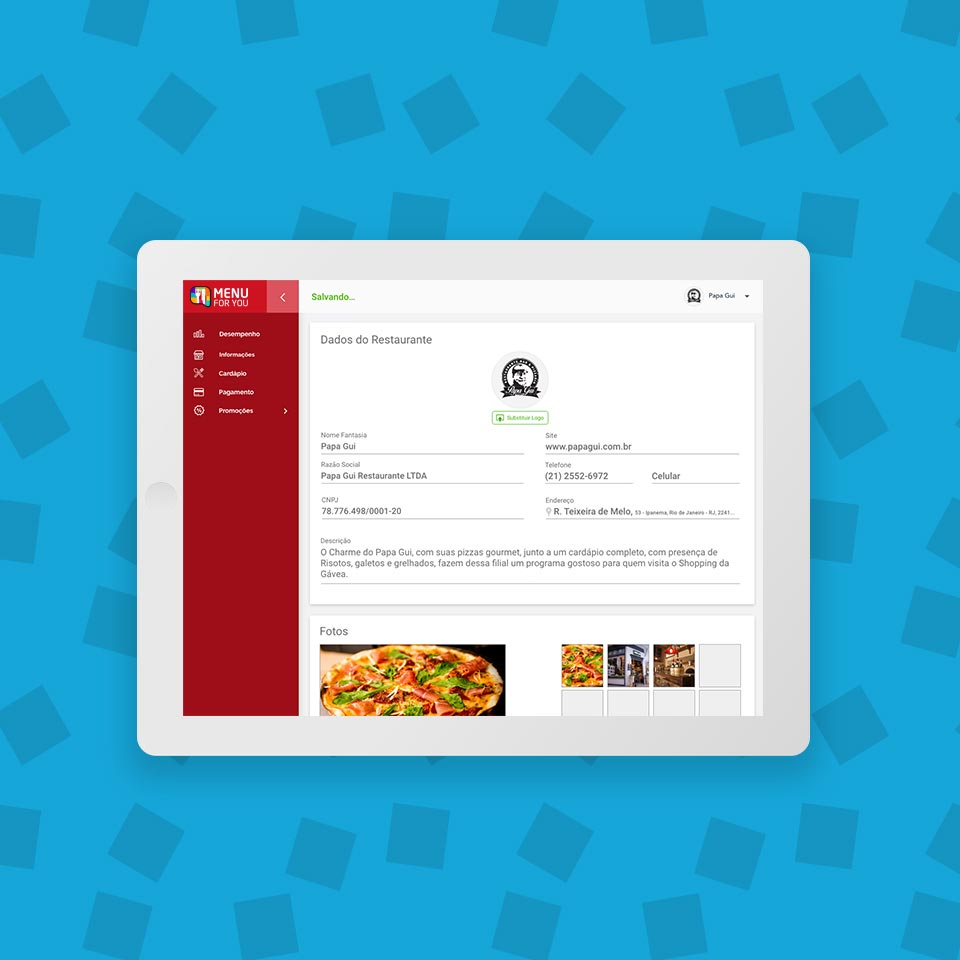
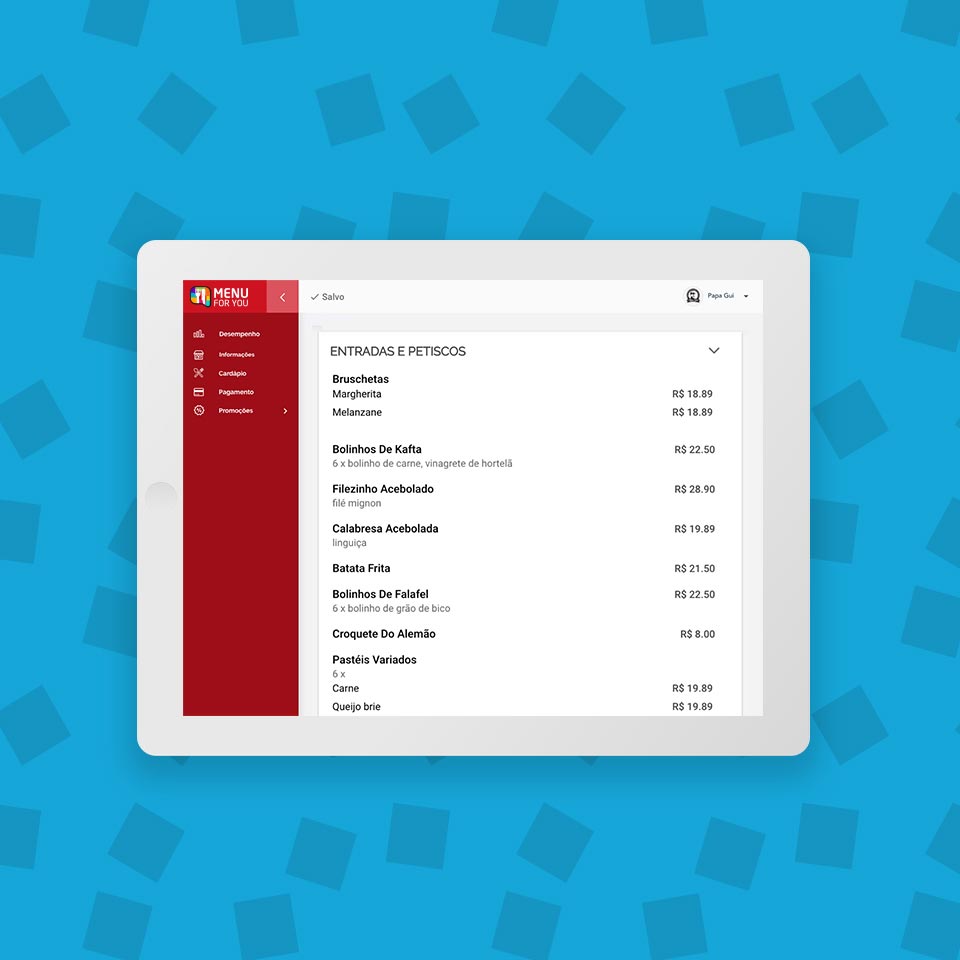
I extended the same menus to the web, and gave restaurants their own dashboard to register, publish menus and follow analytics.
06Outcome
Read, order and pay in the guest’s language.
Each break in the meal now has an answer in the app. Menu for You was selected as one of the official applications of the Rio 2016 Olympic Games.
- 01
Reading the menu → nine languages
Dishes and prices shown in the language the guest has chosen.
- 02
Talking to the waiter → Translate
The same order shown to the waiter in the local language.
- 03
Paying the bill → in the app
The meal closes without depending on being understood.
What I learned
Research can do double duty
Filming the interviews gave us insight and launch material from the same sessions.
Design for both sides of the table
A translation is only useful if the person receiving it can act on it (here, the waiter).
Products are ecosystems
The guest app depends on restaurants keeping their menus current, so the dashboard mattered as much as the app.
Next timeMeasure the whole meal (orders placed through Translate, bills paid in the app and menus kept up to date by restaurants) to prove where the barrier really dropped.
Credits
- Role
- Founding Designer
- Client
- Menu for You
- Timeline
- 2017
- Disciplines
- User Interviews
- Design Thinking
- Mobile App Design
- Web Platform
- Restaurant Dashboard